
Encyclopedia Of
Potential Truth

Elias Holzknecht
Info Close

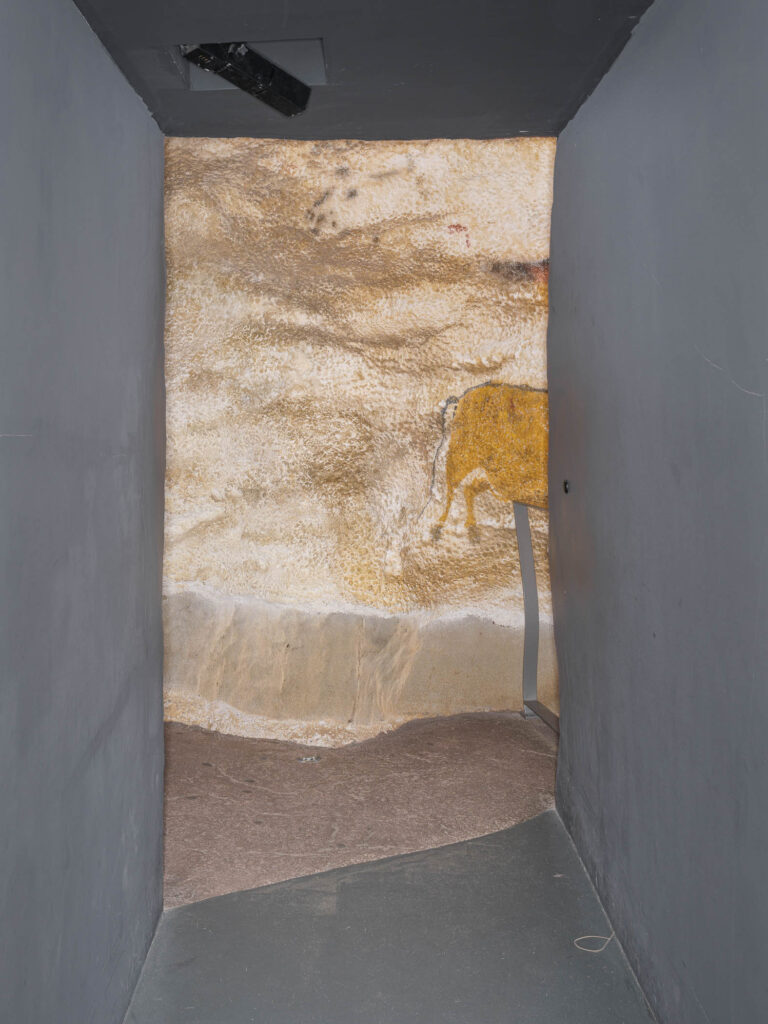
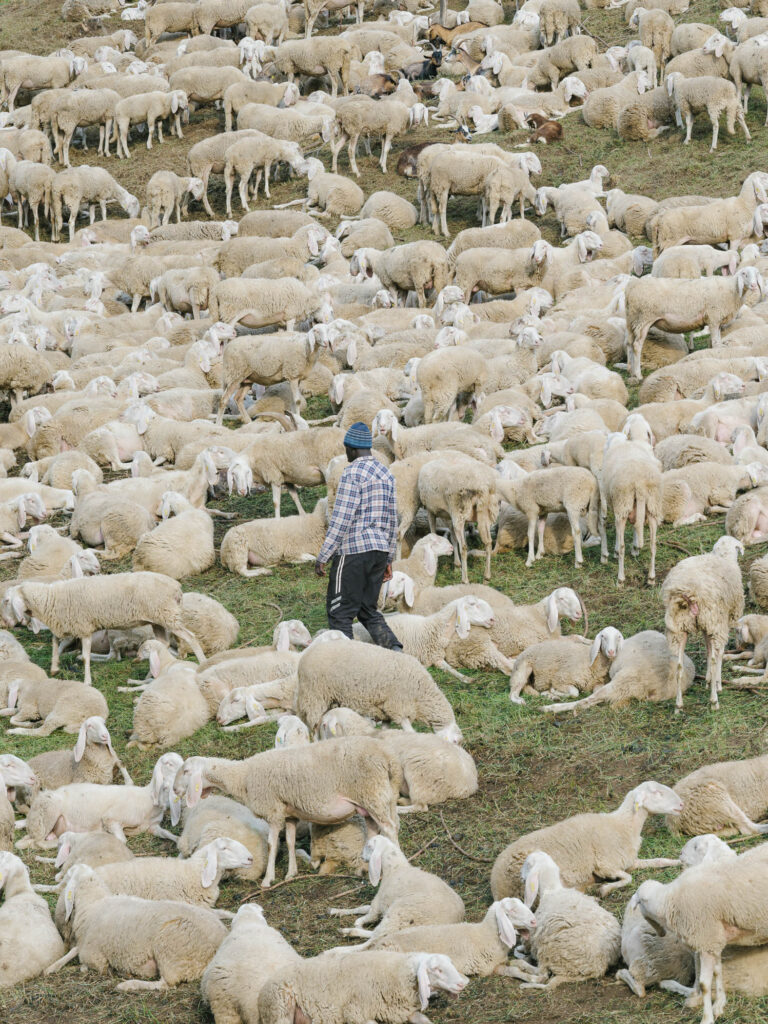
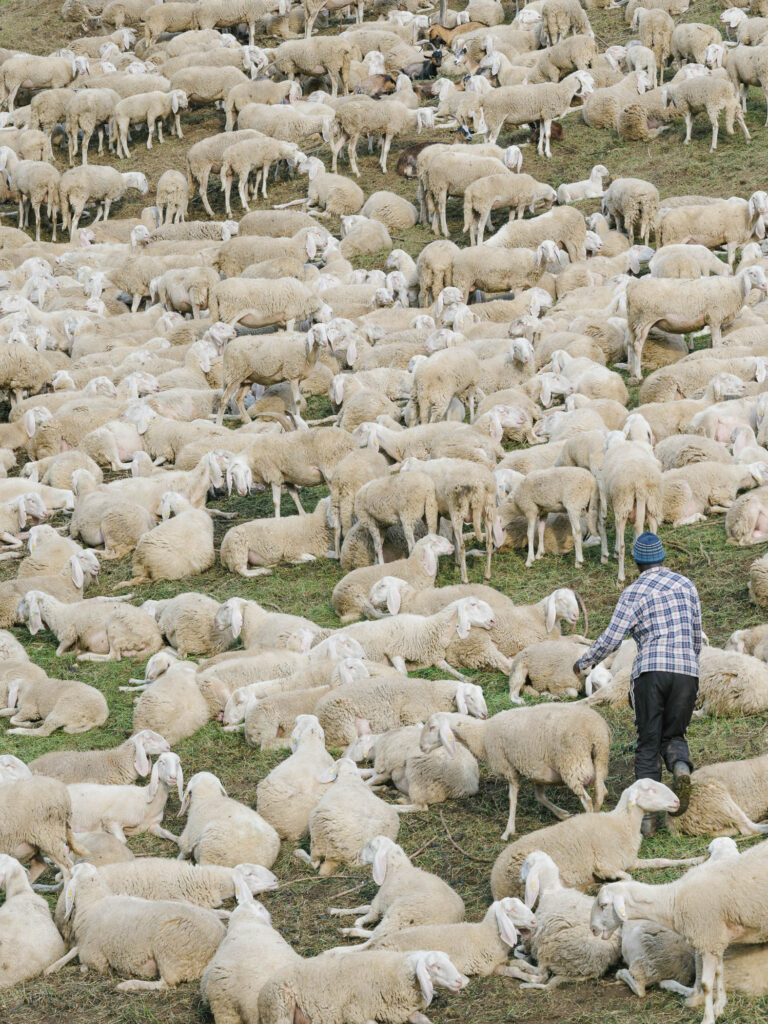
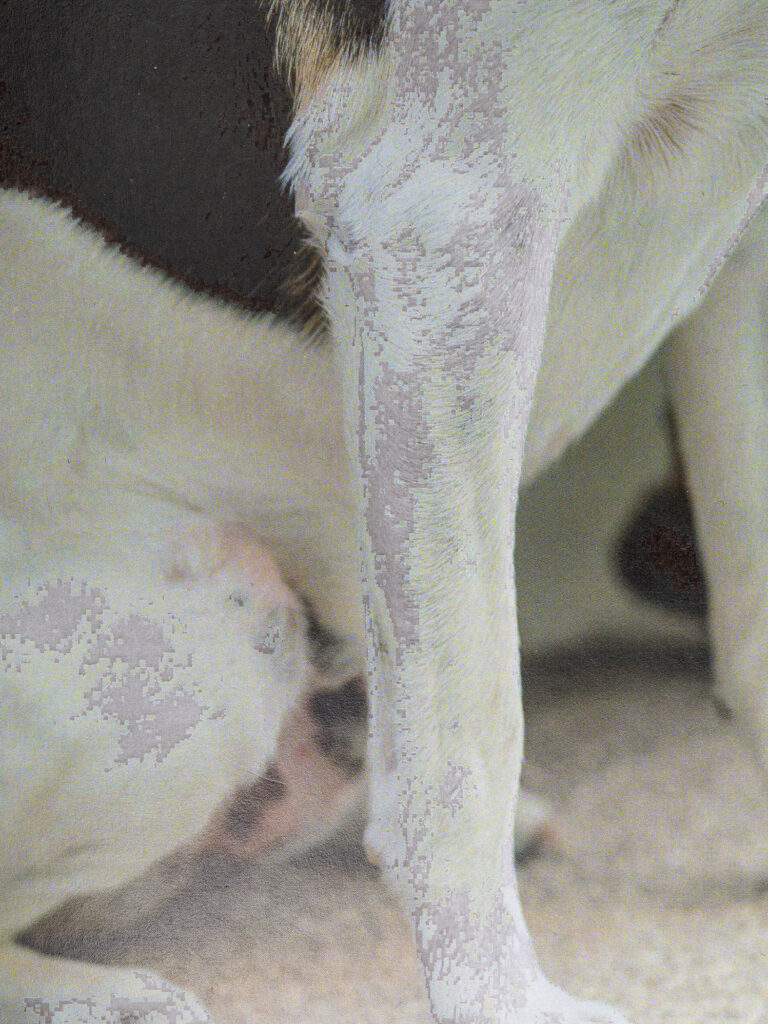
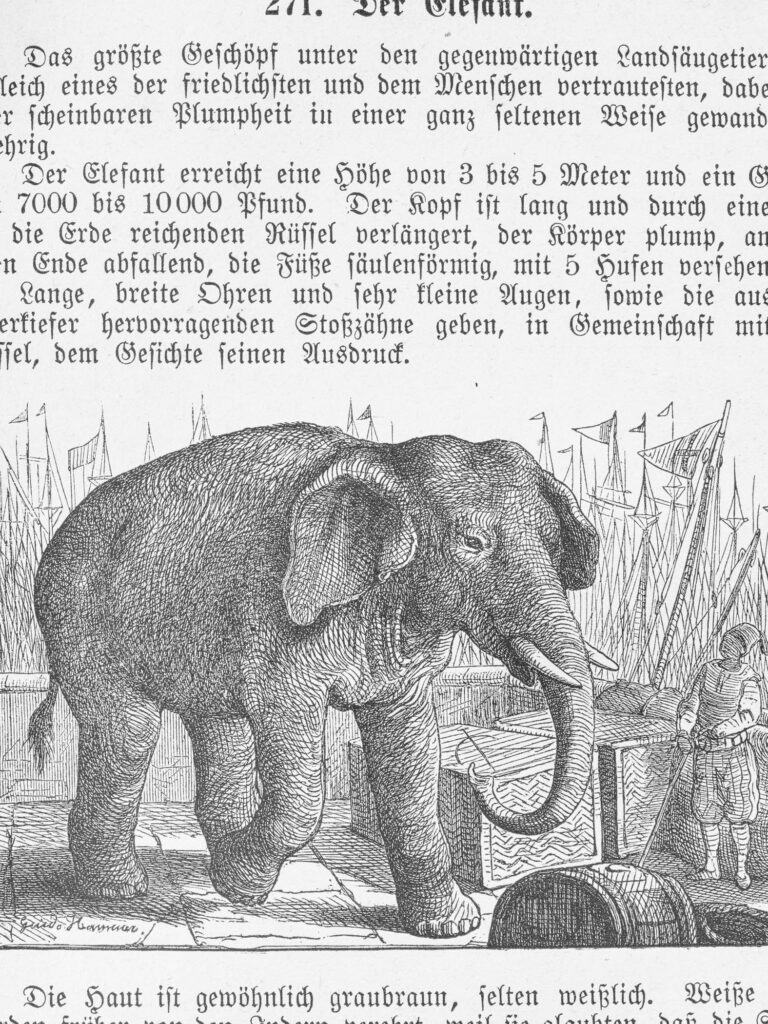
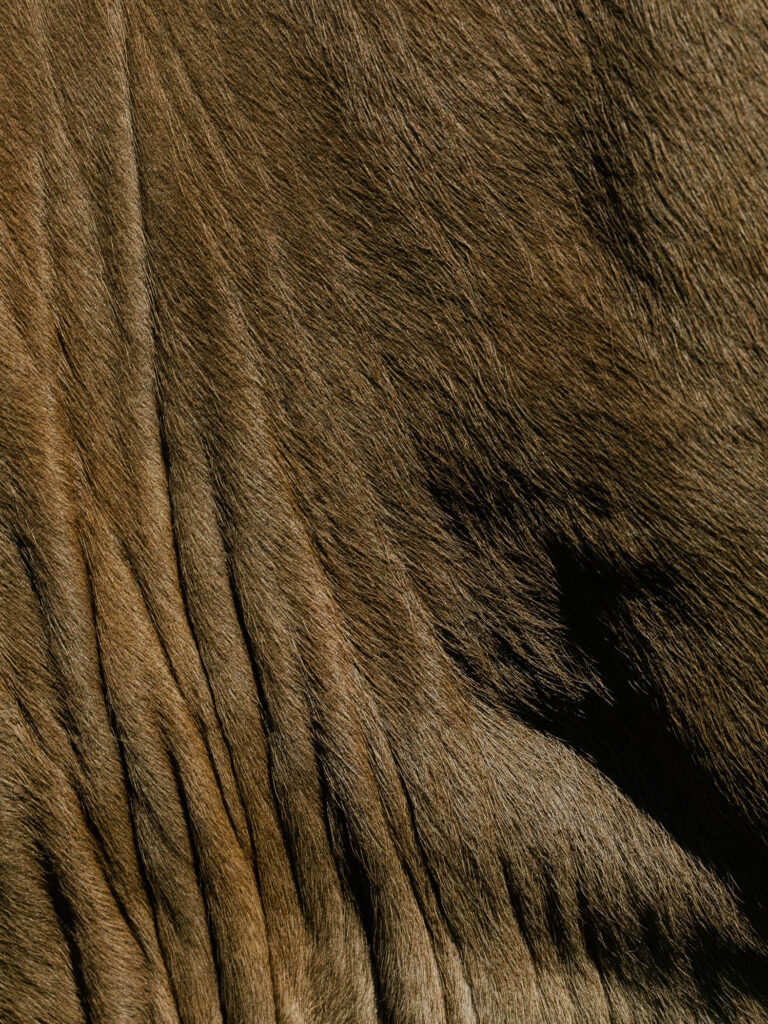
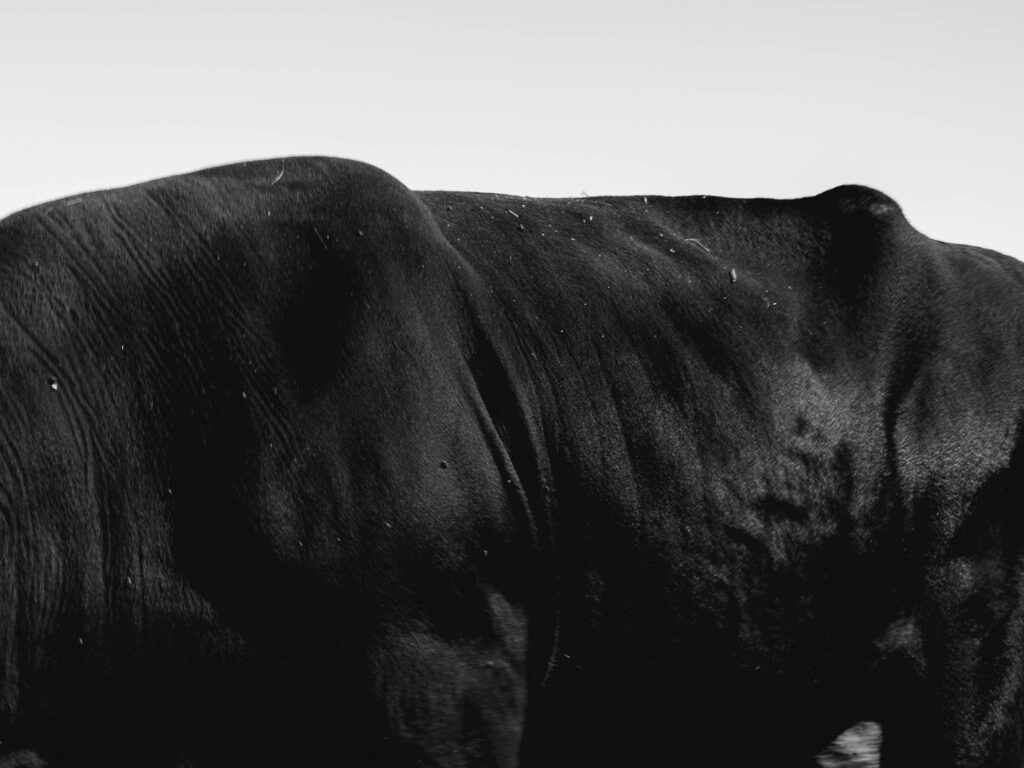
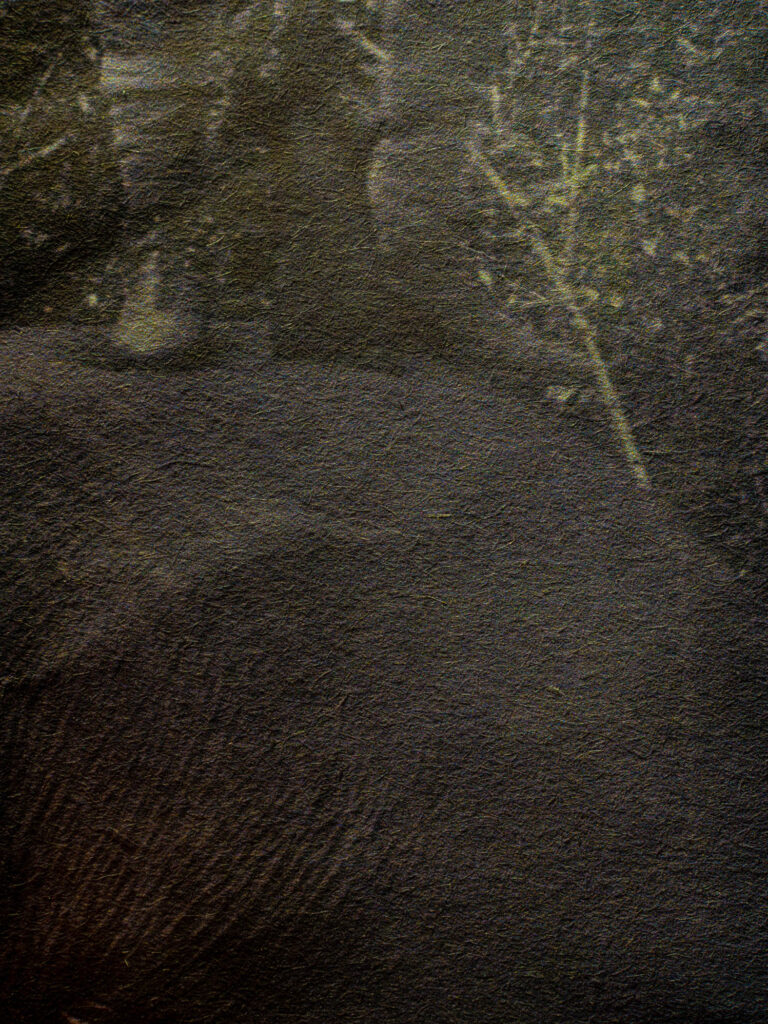
Die beiden Brüder Heinz und Lutz Heck wollten den bereits ausgerotteten „Auerochsen“ rückzüchten. Vor und während des Zweiten Weltkrieges fand das Zuchtprogramm statt. Höhlenmalereien haben den beiden Brüdern dabei als Vorlage gedient. Hermann Göring unterstütze das Projekt und wollte den „Auerochsen“ wieder „auferstehen“ und auswildern lassen um ihn später auf der Jagd zu erlegen. Den Zweiten Weltkrieg überlebten 39 Tiere.

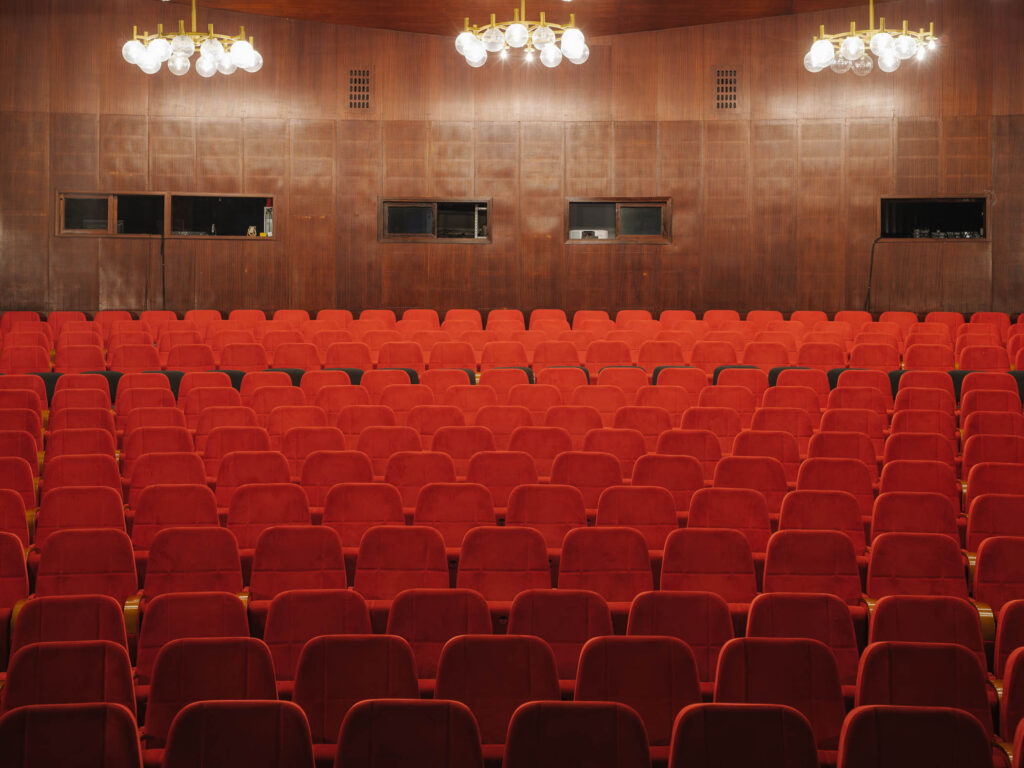
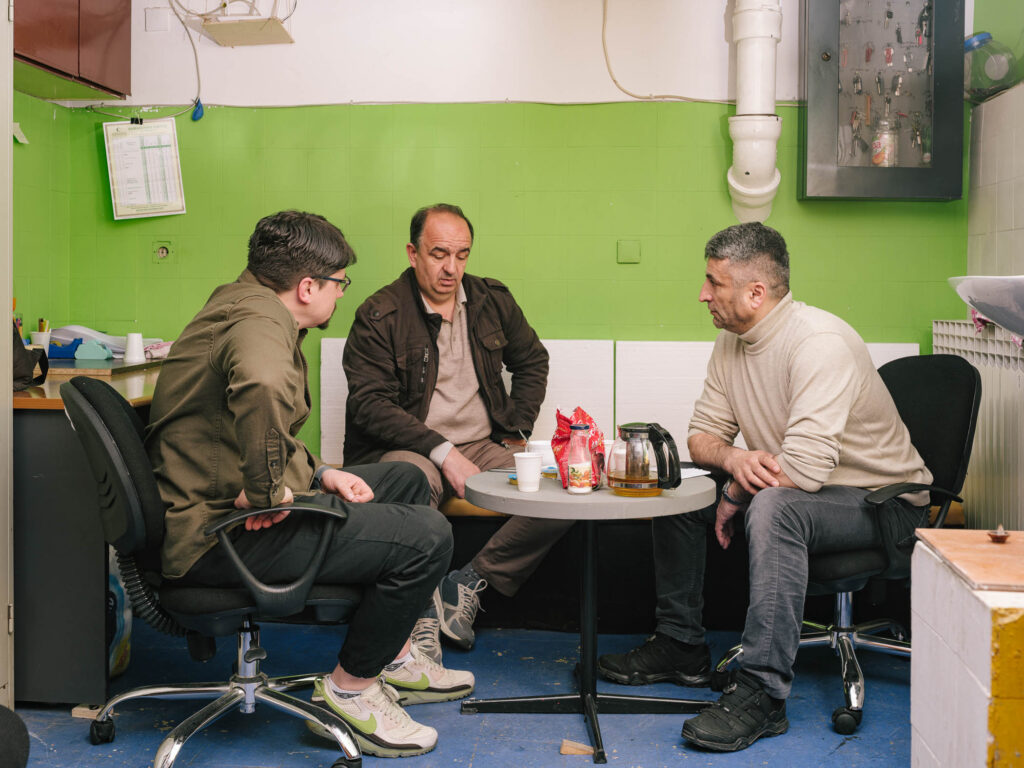
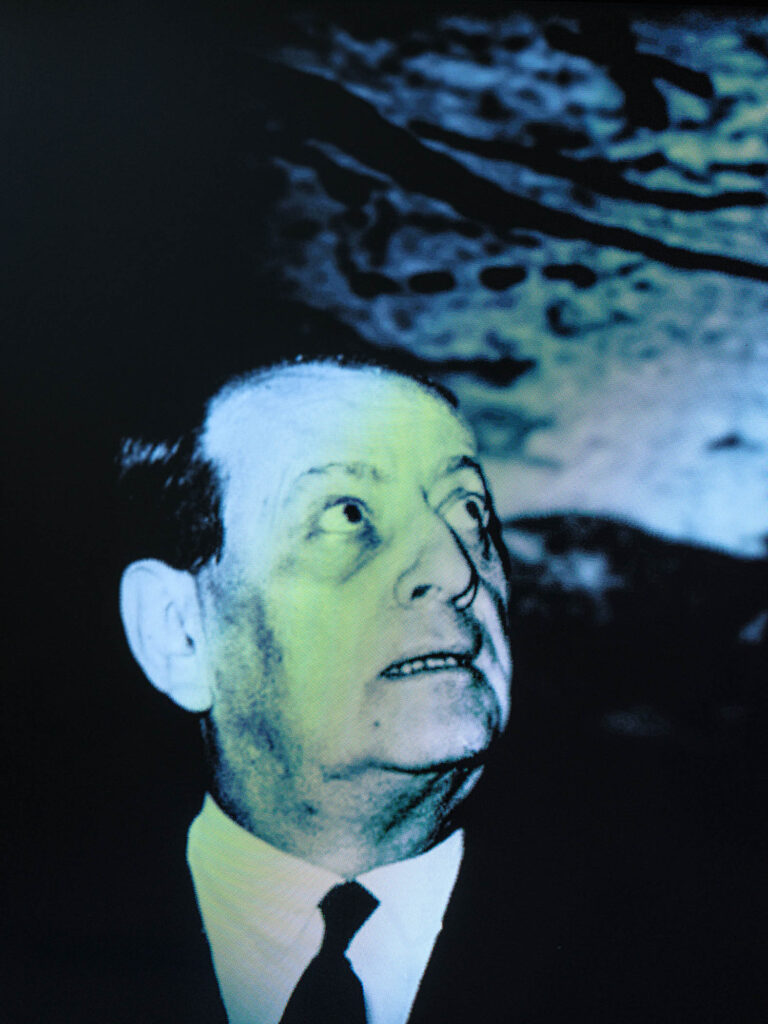
Im "Theatre of Youth" hat Susan Sontag während der Belagerung von Sarajevo das Theaterstück "Waiting for Godot" von Samuel Beckett aufgeführt. Gavrilo Princip sagte in dieser Region gebe es drei Warheiten. Hier diskutieren drei Mitarbeiter des "Theatre of Youth".

Info X

ENCYCLOPEDIA OF POTENTIAL TRUTH
On the Ordering of Images

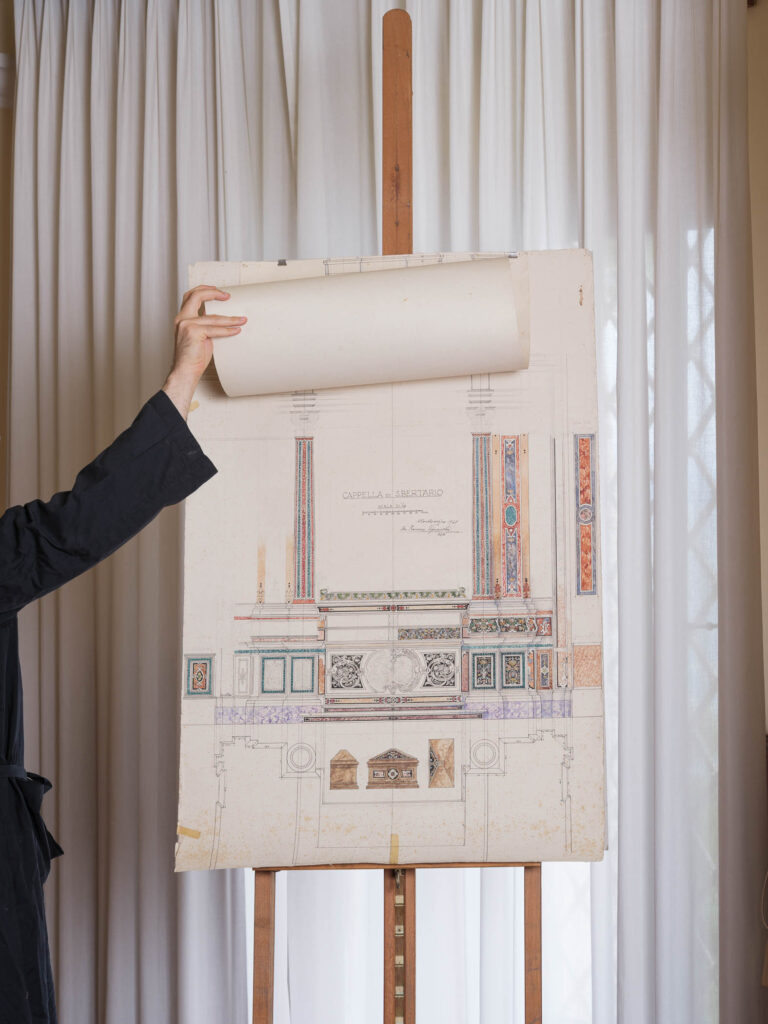
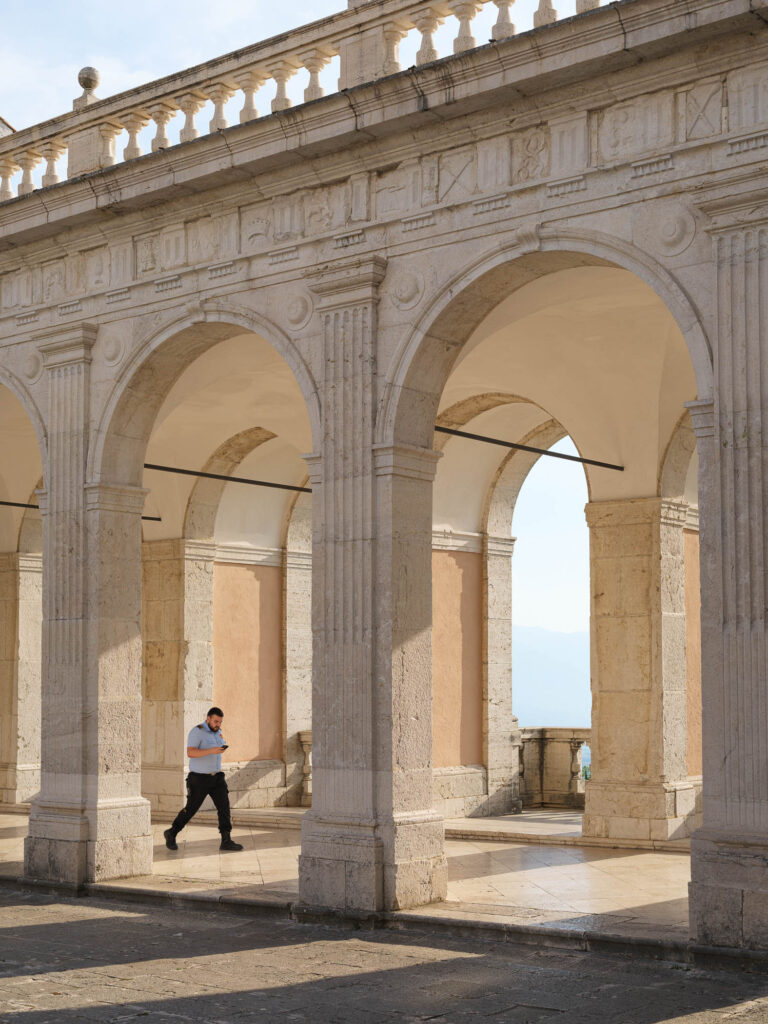
The Encyclopedia of Potential Truth (EoPT) functions as a critical tool that centers on the representation of knowledge through the medium of photography. Developed as a graduation project at Hochschule Hannover, the work is both a reflection on traditional documentary photography and an attempt to explore new narrative possibilities.

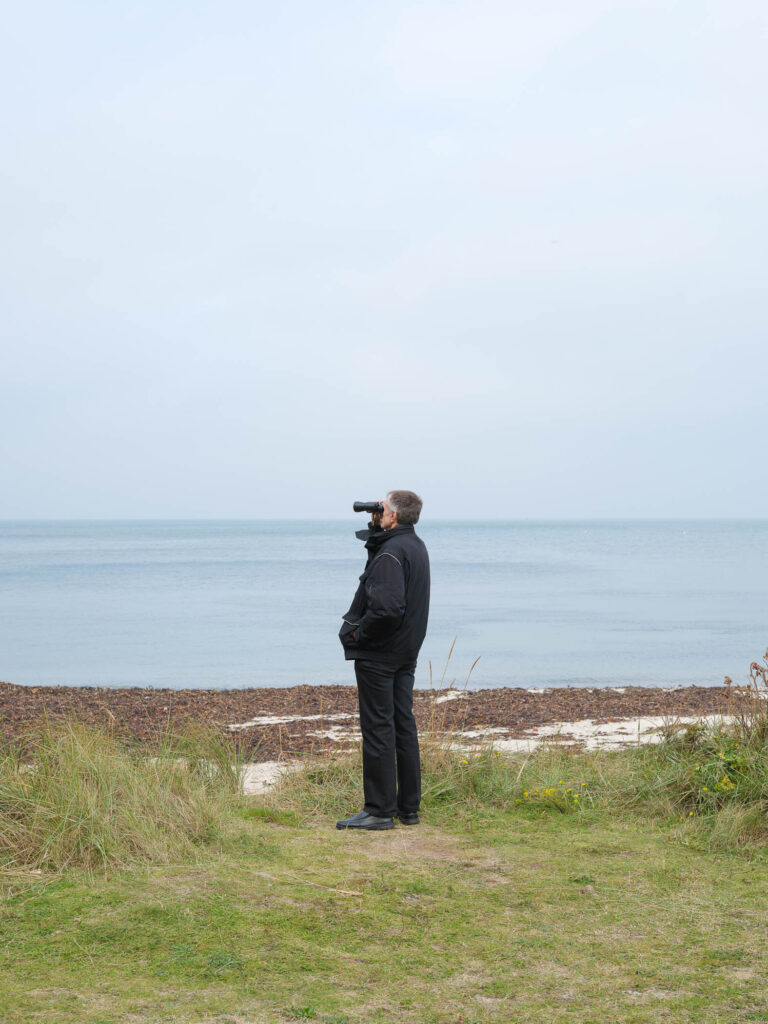
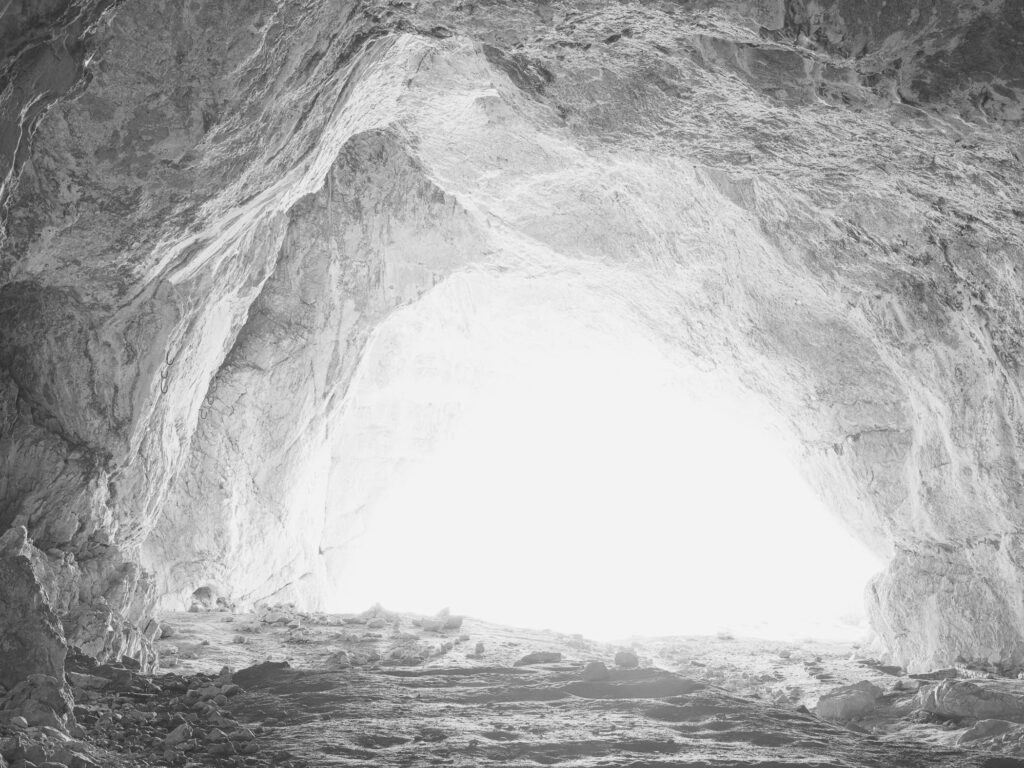
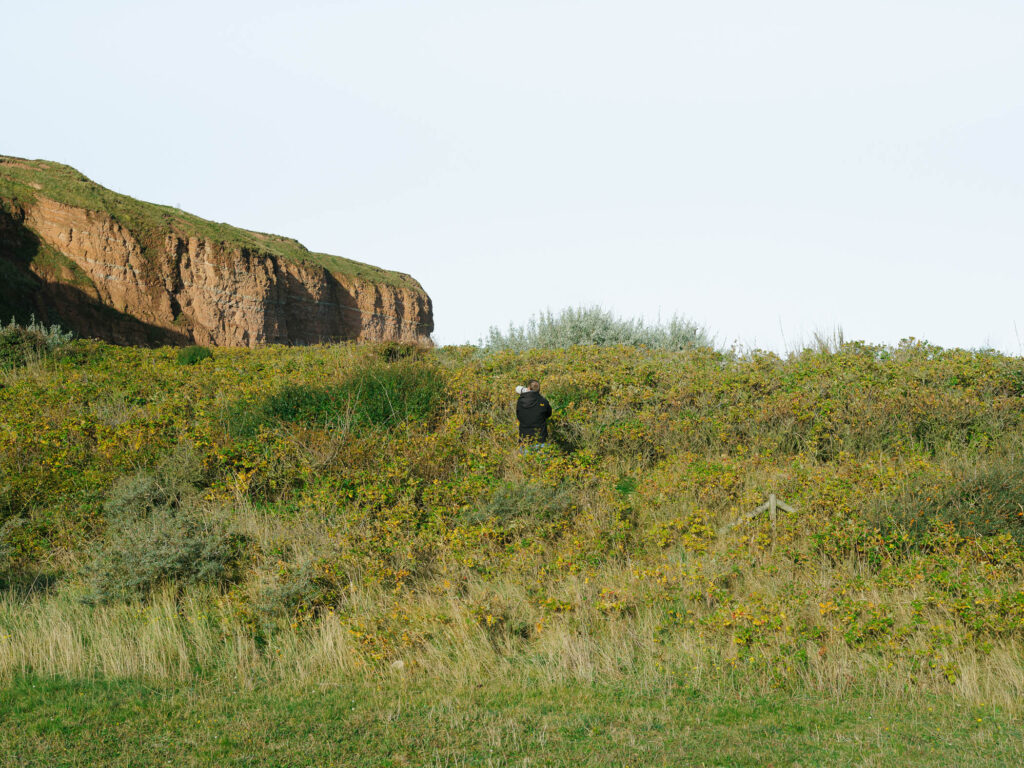
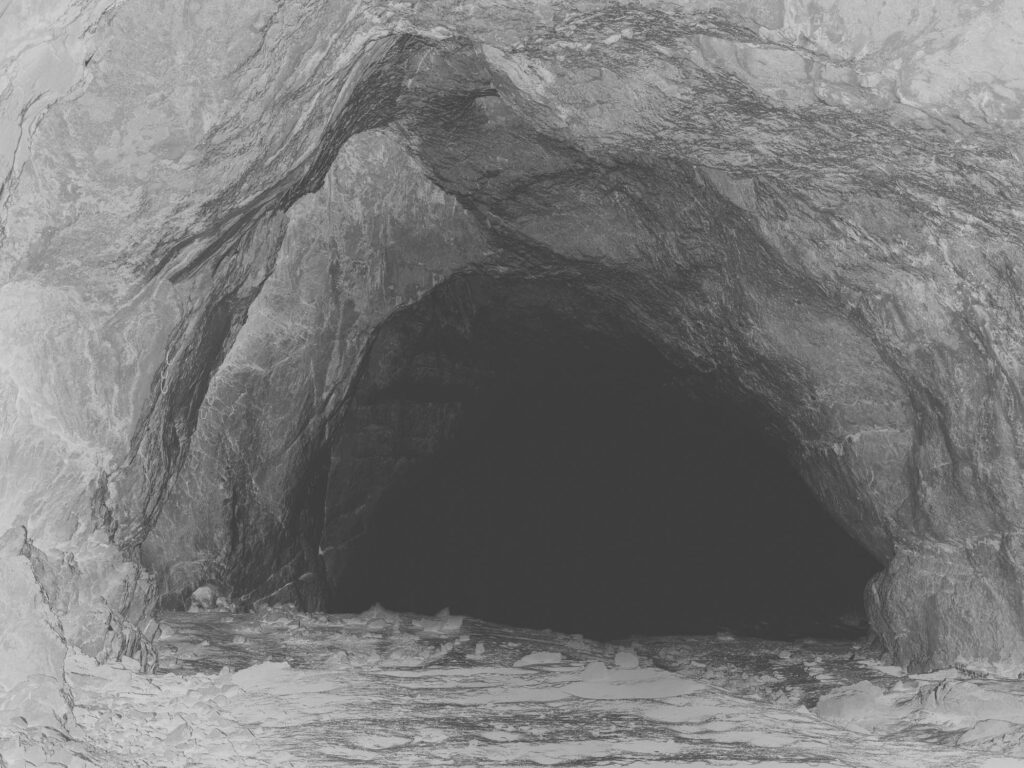
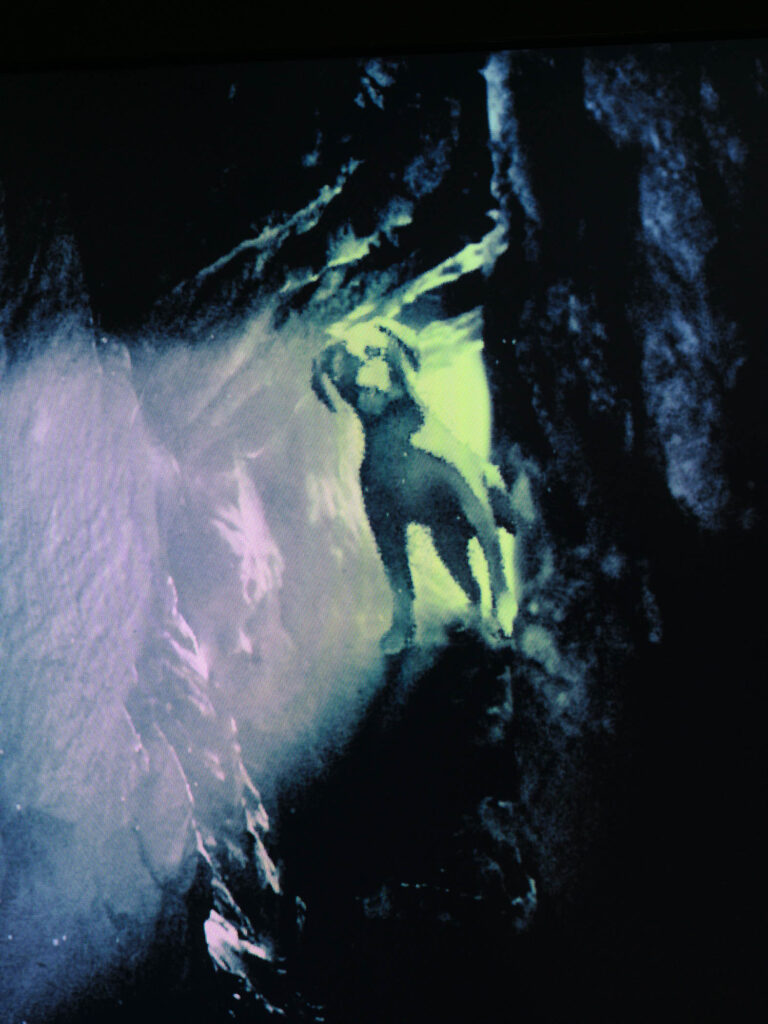
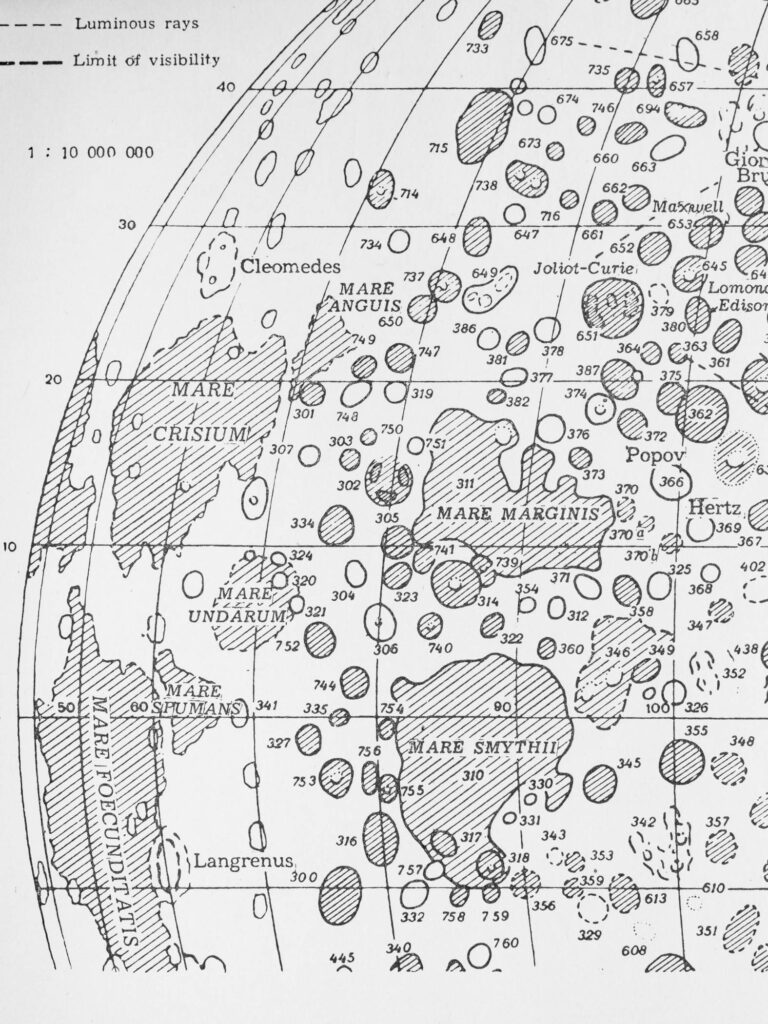
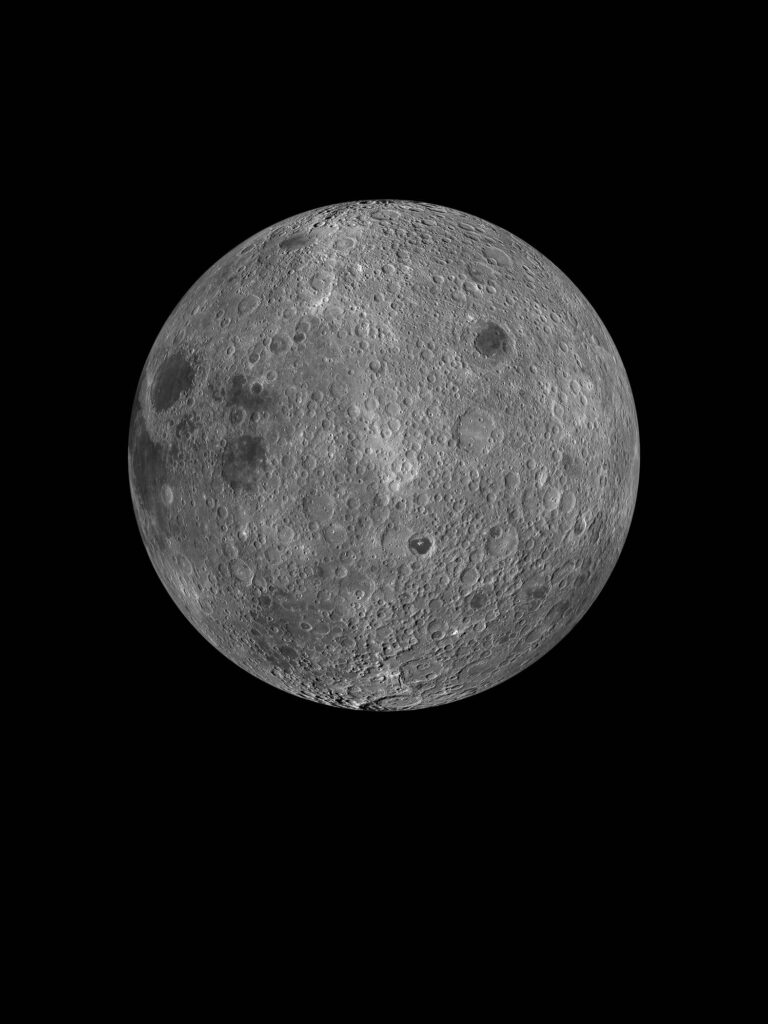
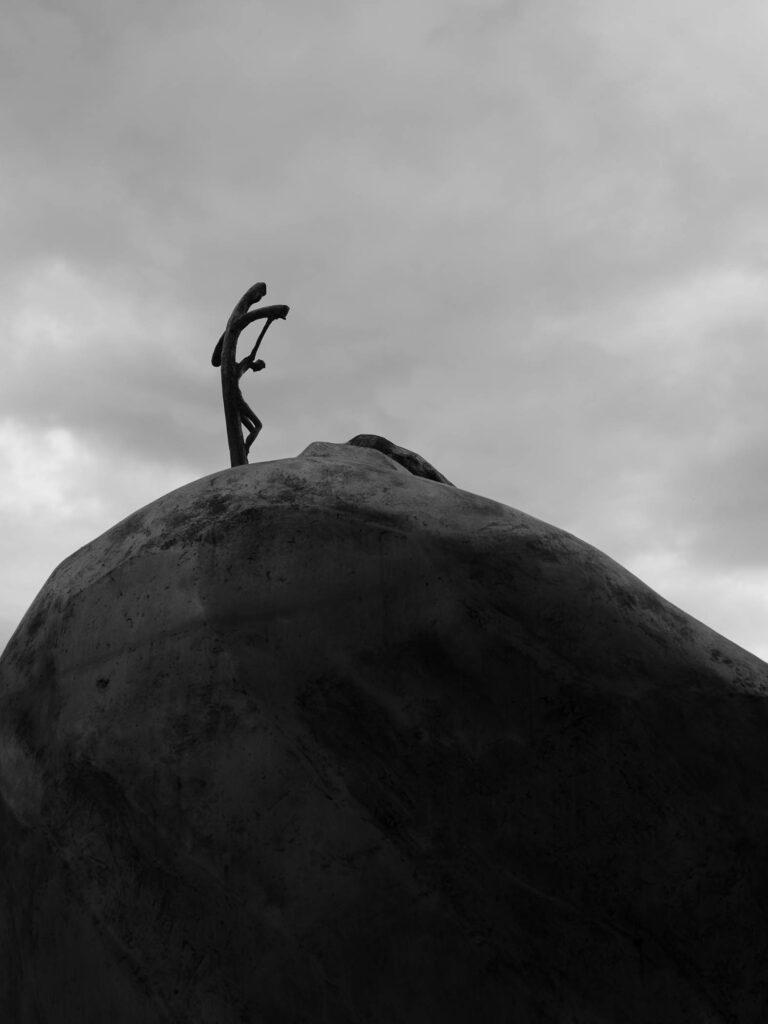
The EoPT breaks away from the structure of conventional encyclopedias and invites viewers to wander through a labyrinth of topics that appear, at first glance, entirely unrelated. From the cave paintings of Lascaux to the first images of the far side of the moon, from the early formulations of quantum physics on Helgoland to the assassination of Archduke Franz Ferdinand or the biological experiments of the Heck brothers—an alternative narrative of knowledge unfolds, one that blurs the boundaries between science, history, and art. Throughout the entire process—from research to production to editing—I was guided by the principle of serendipity.

At the heart of this multiplicity lies a reflection on the many potential forms of truth and the significance of representation. The EoPT encourages viewers to acknowledge the surface qualities of images while using them to forge unconventional connections. These connections prompt us to question inherited narratives—not to settle into fixed explanations, but to explore new ways of engaging with the world, to open space and broaden discourse. It is an attempt to think with images, about images, and especially between images.


Concepts such as Peirce’s abduction and Wittgenstein’s language games helped me reflect on the function of narratives and images, and to develop a practice grounded in these theoretical considerations.

The EoPT is therefore not merely a book, but a living instrument—one that invites viewers to perceive the world anew. It encourages them to cross the boundaries of established stories and venture into the unknown. For beauty lies in ambiguity, truth in multiplicity, and insight in the process itself.

The final publication comprises 634 pages:
403 photographs, 43 textual fragments, 4 timelines, and 439 footnotes.