ES WERDE SCHNEE
A search for traces in the context of artificial snow production and alpine landscapes
2016–ongoing
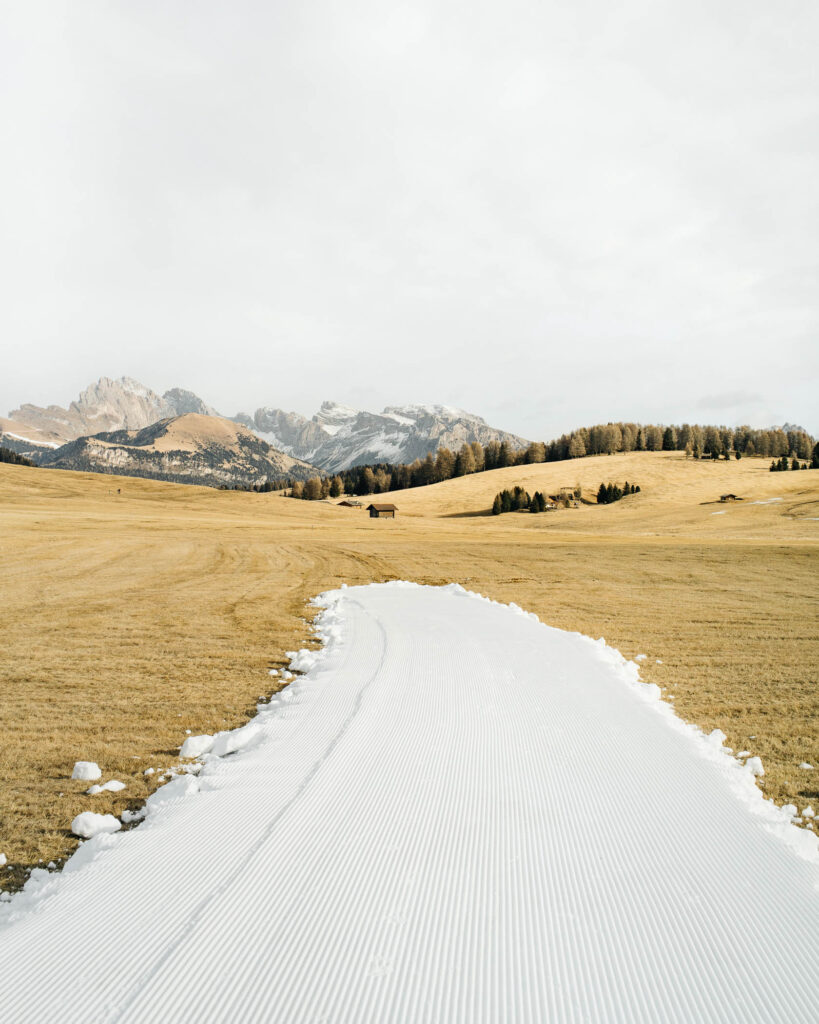
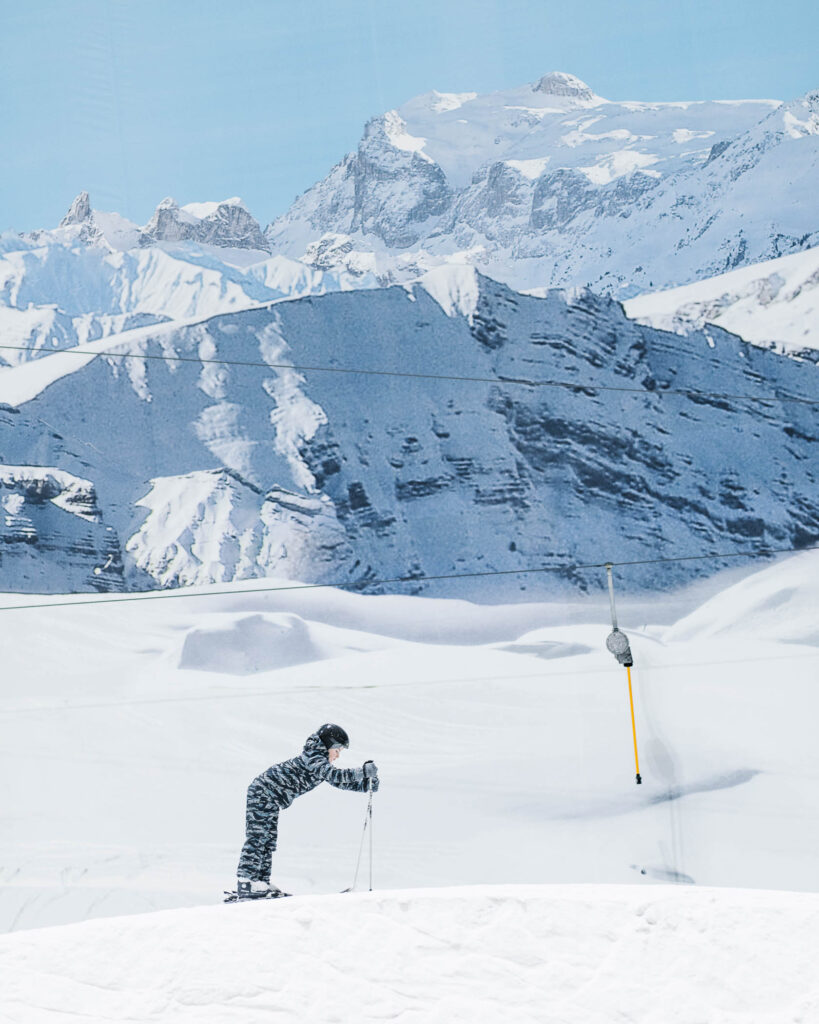
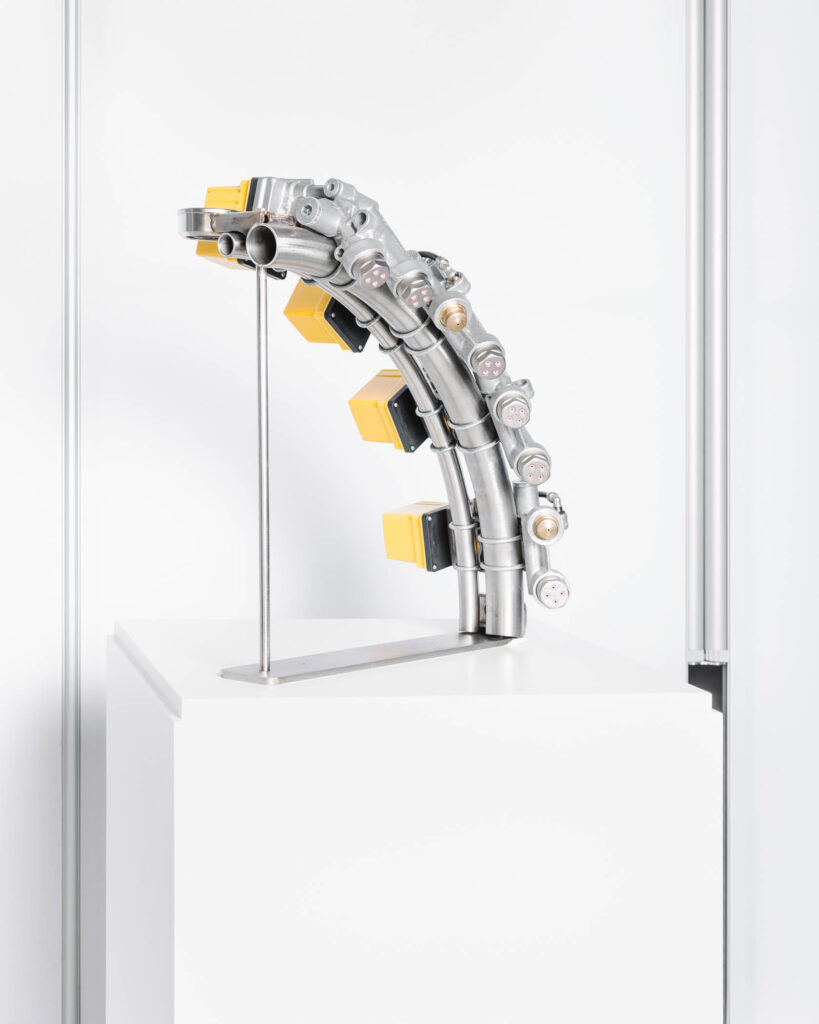
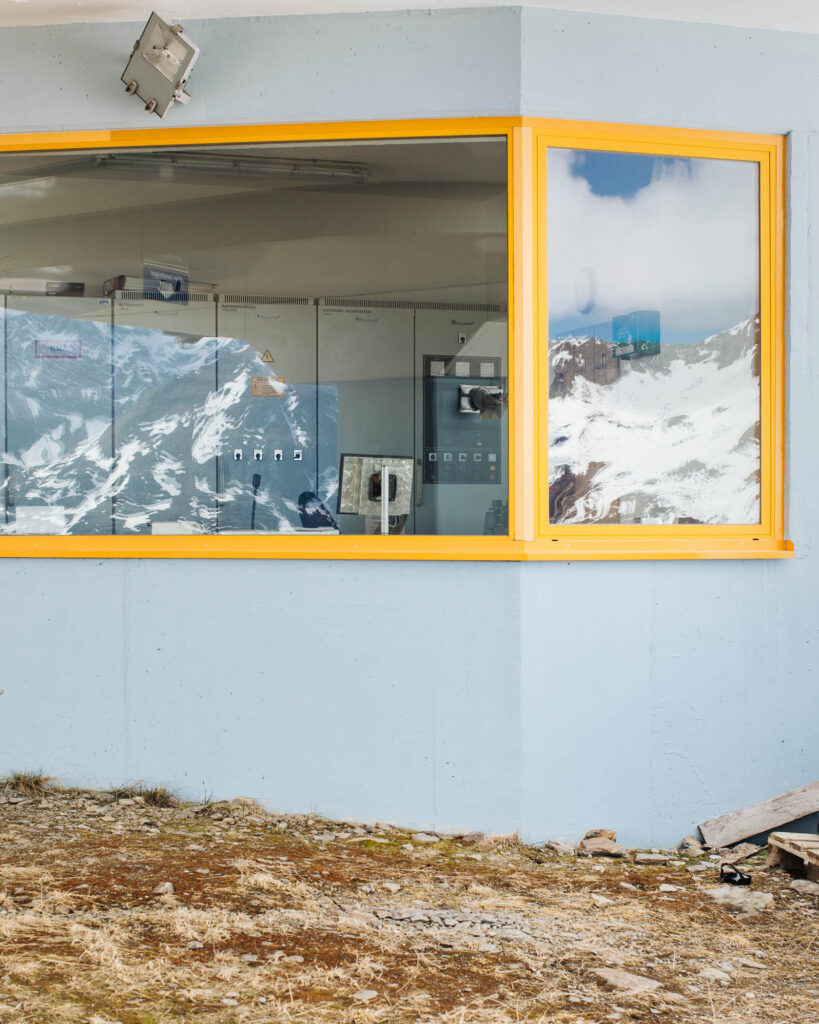
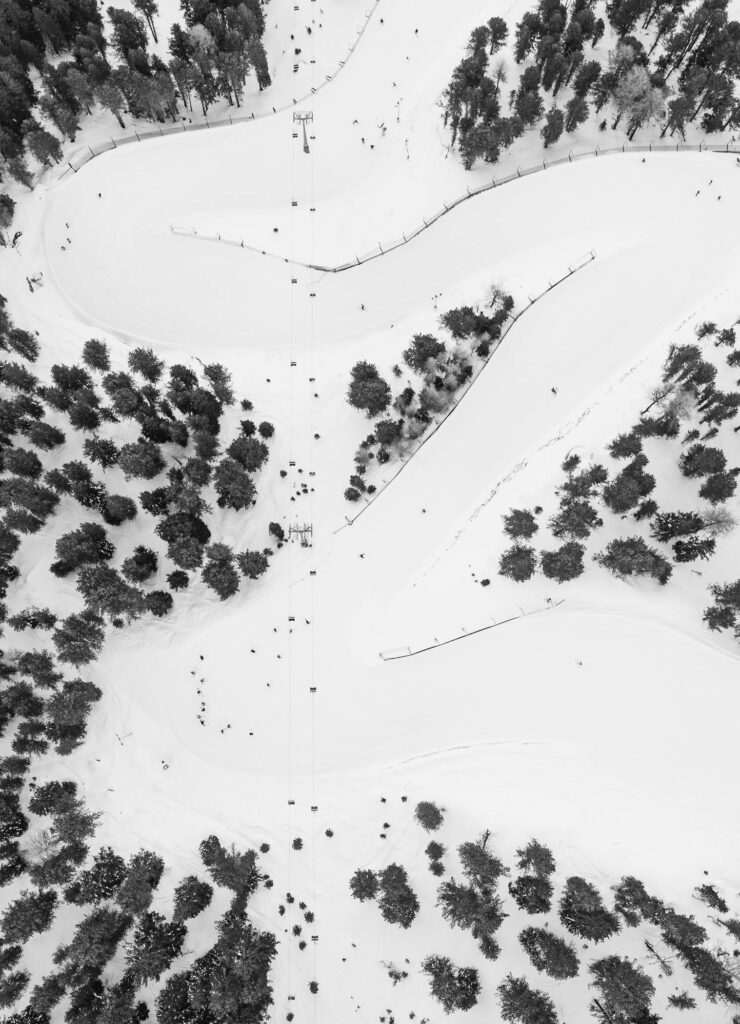
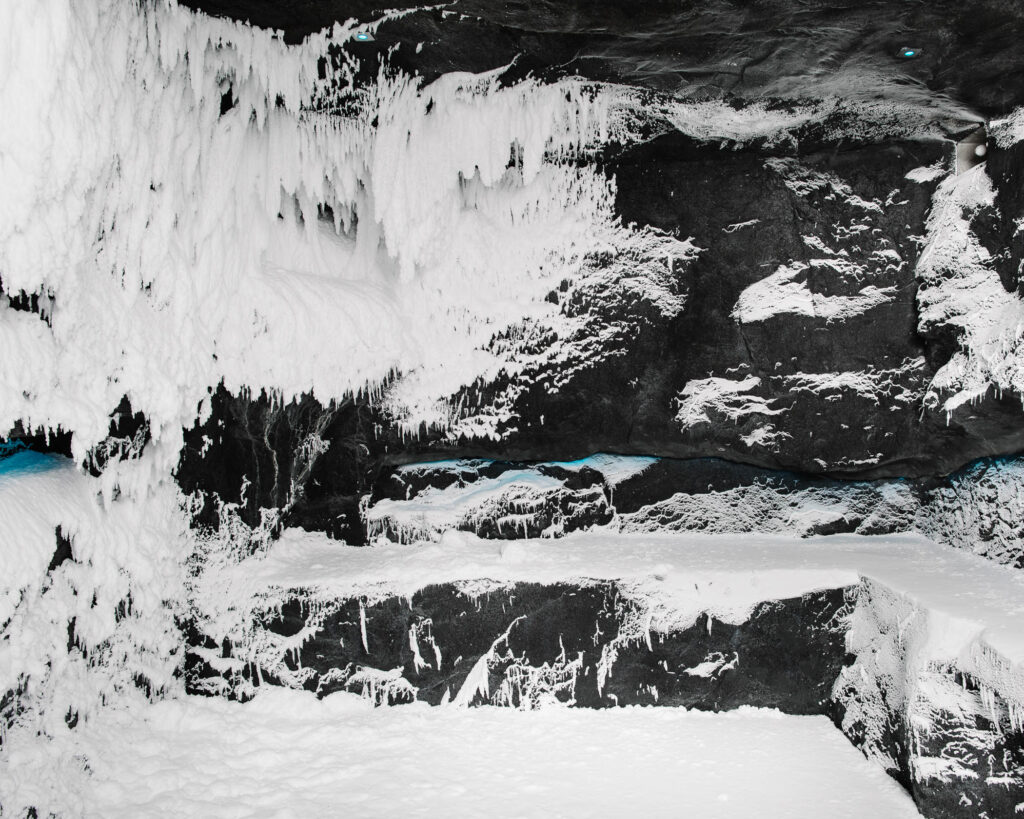
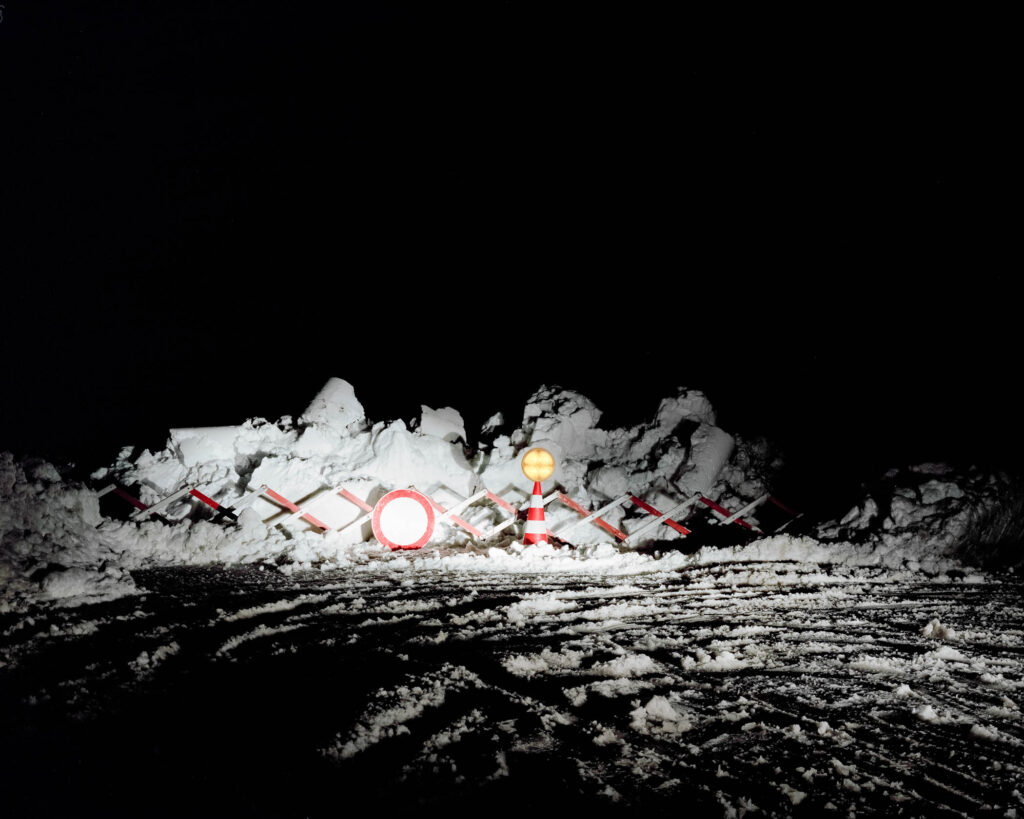
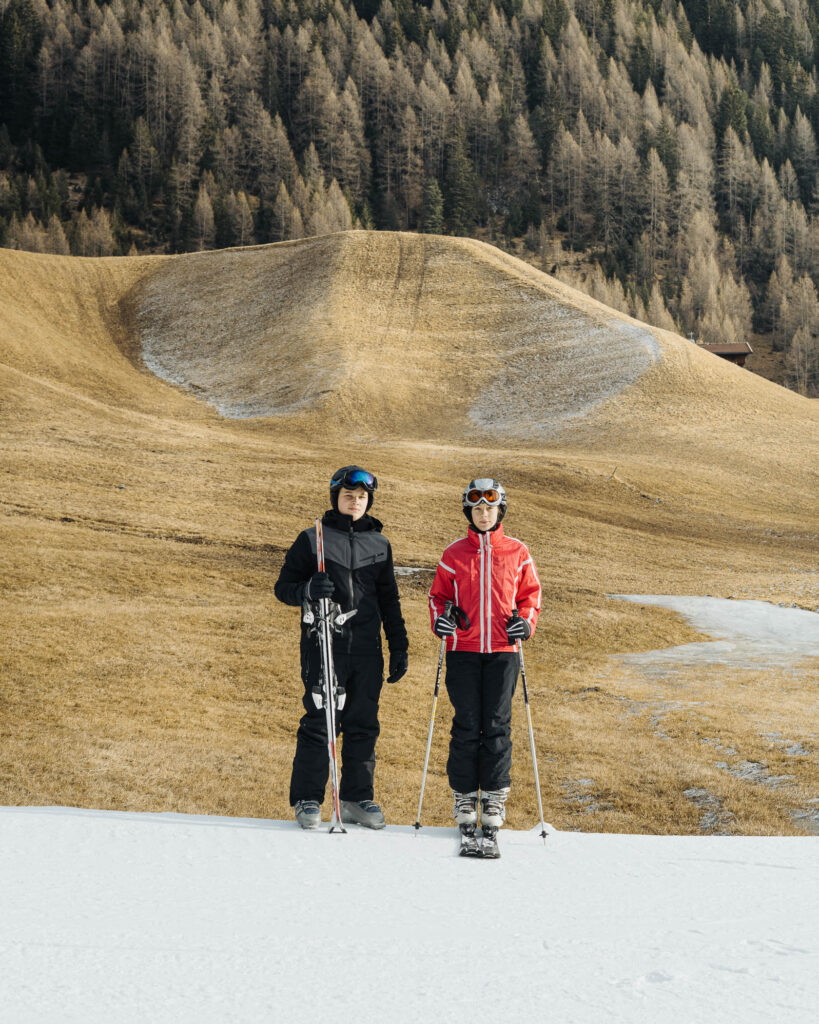
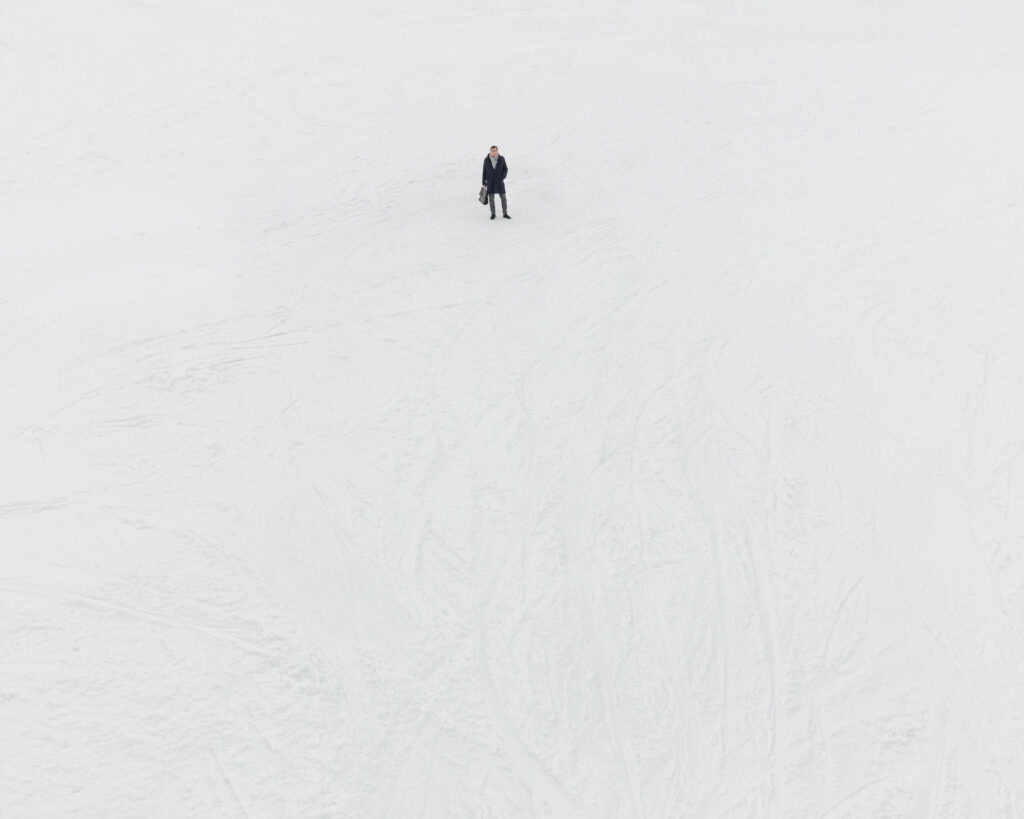
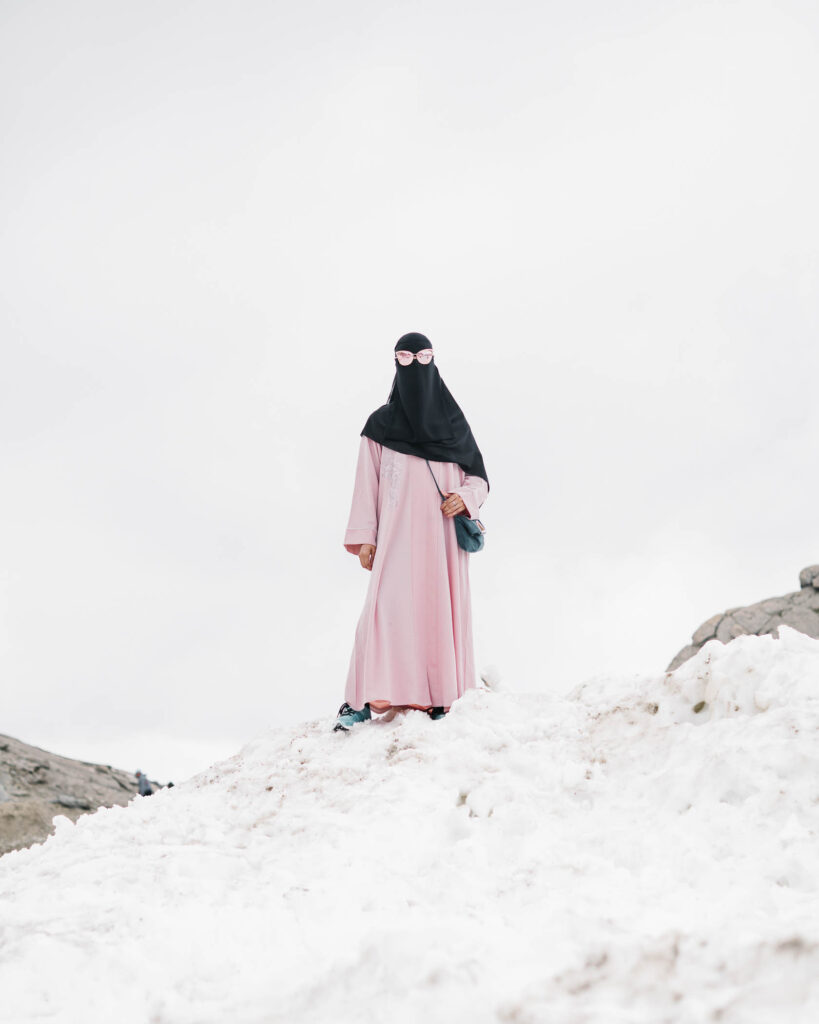
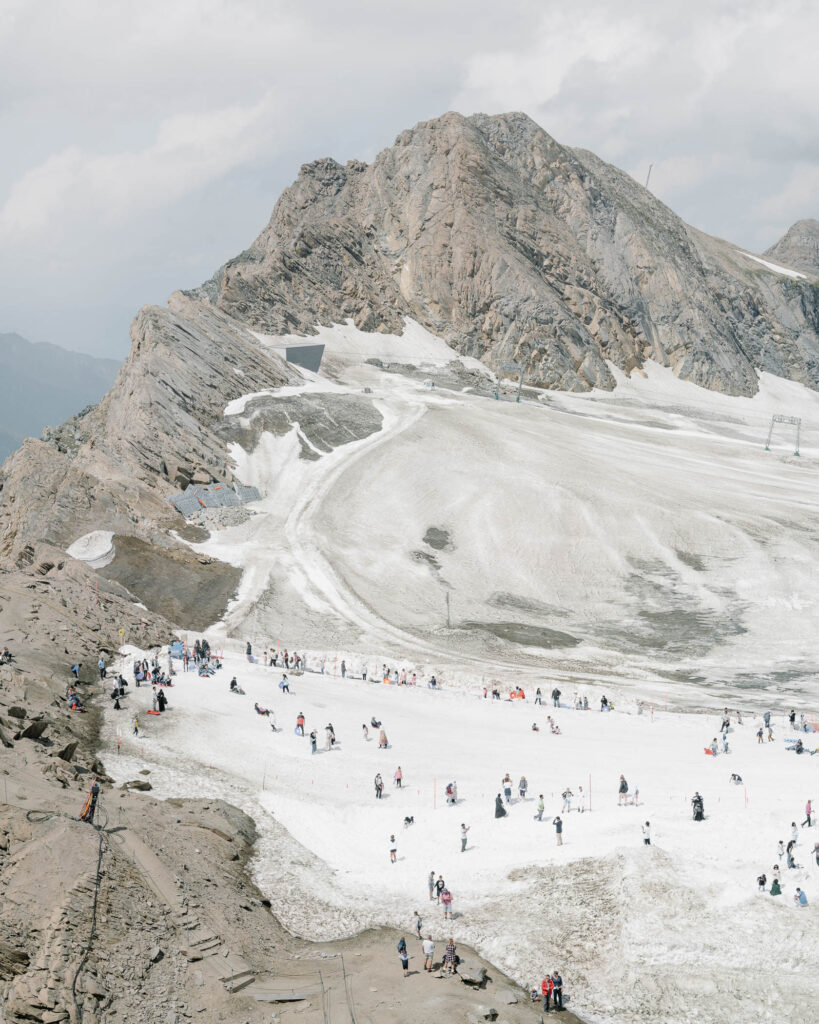
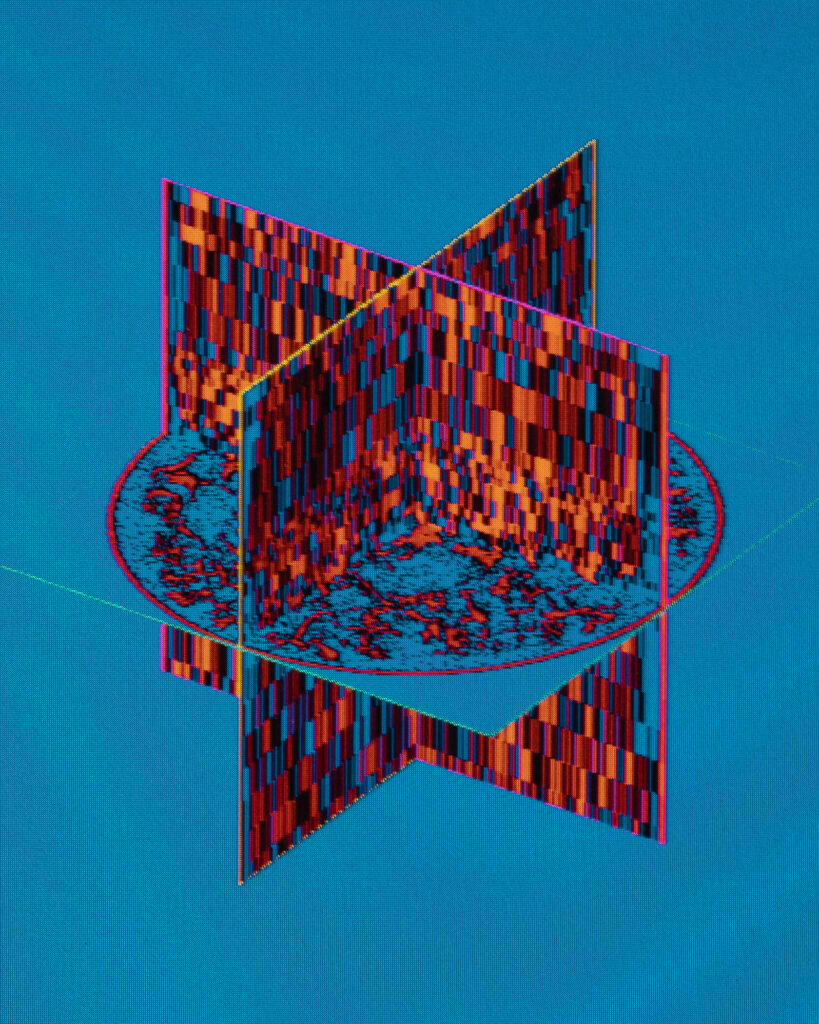
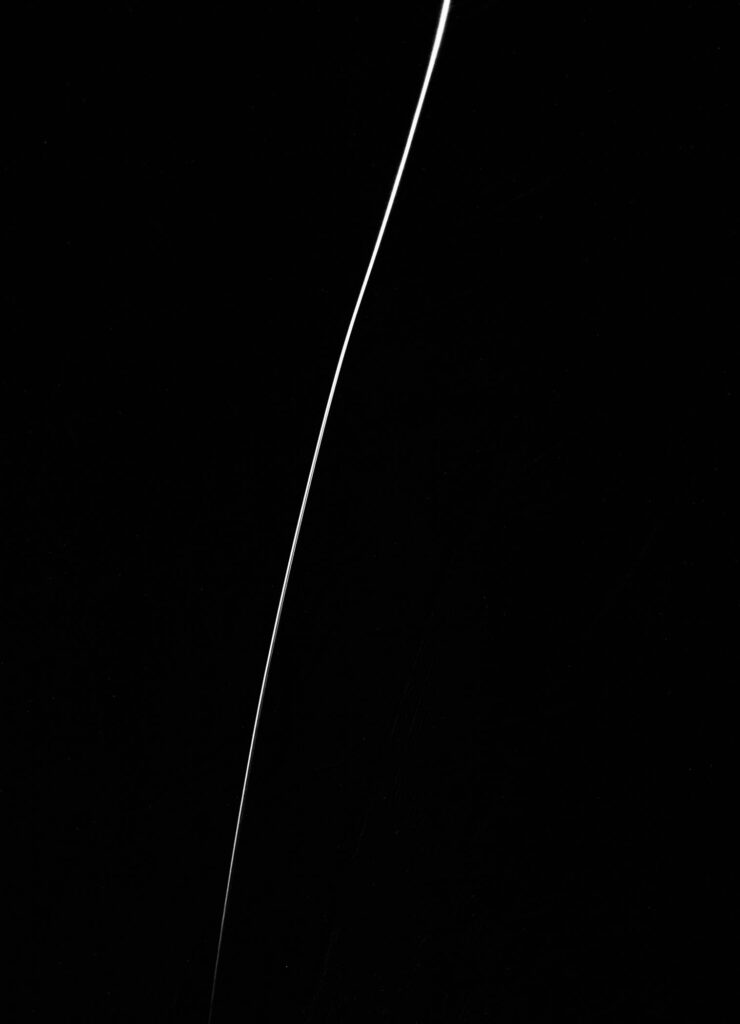
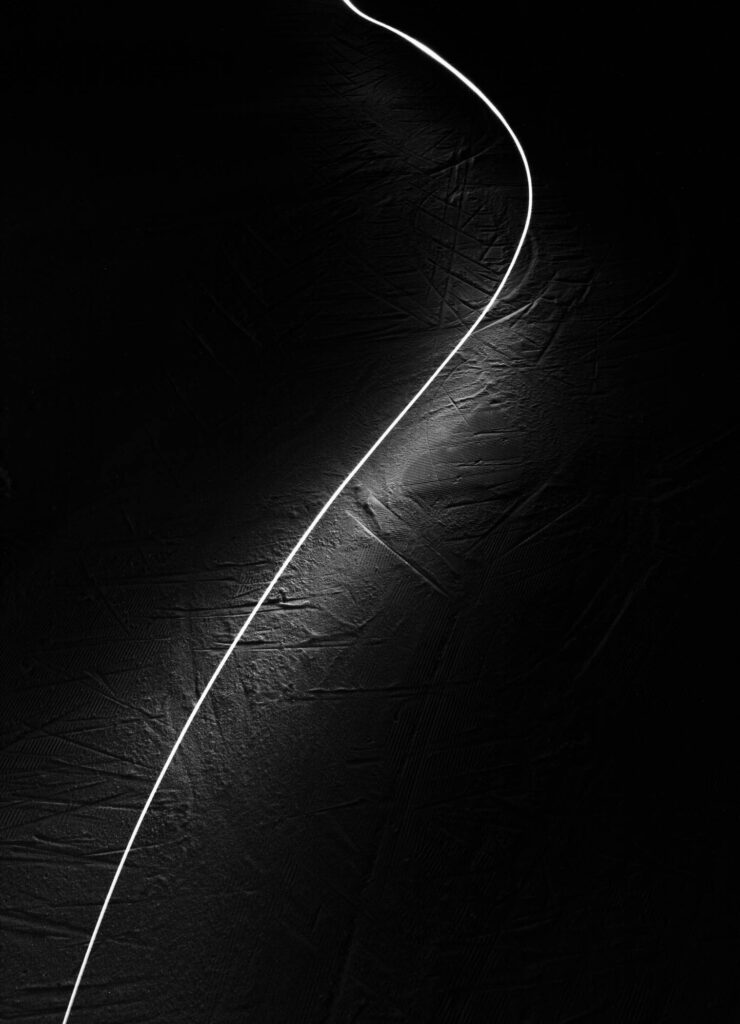
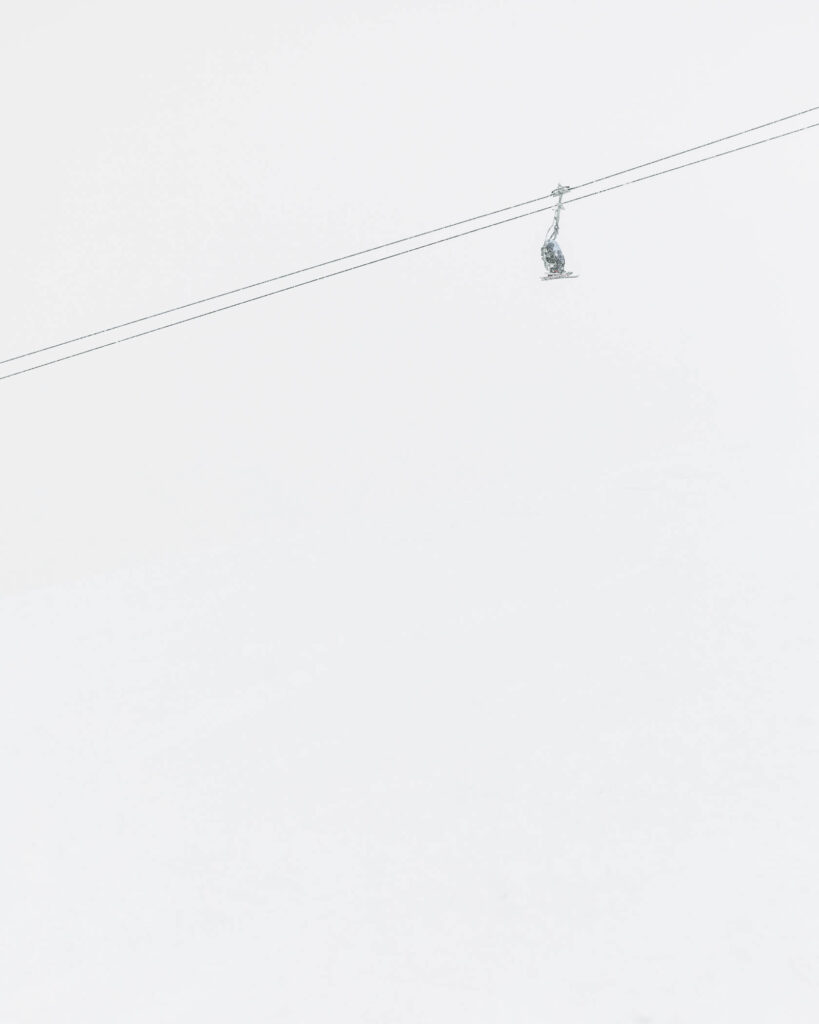
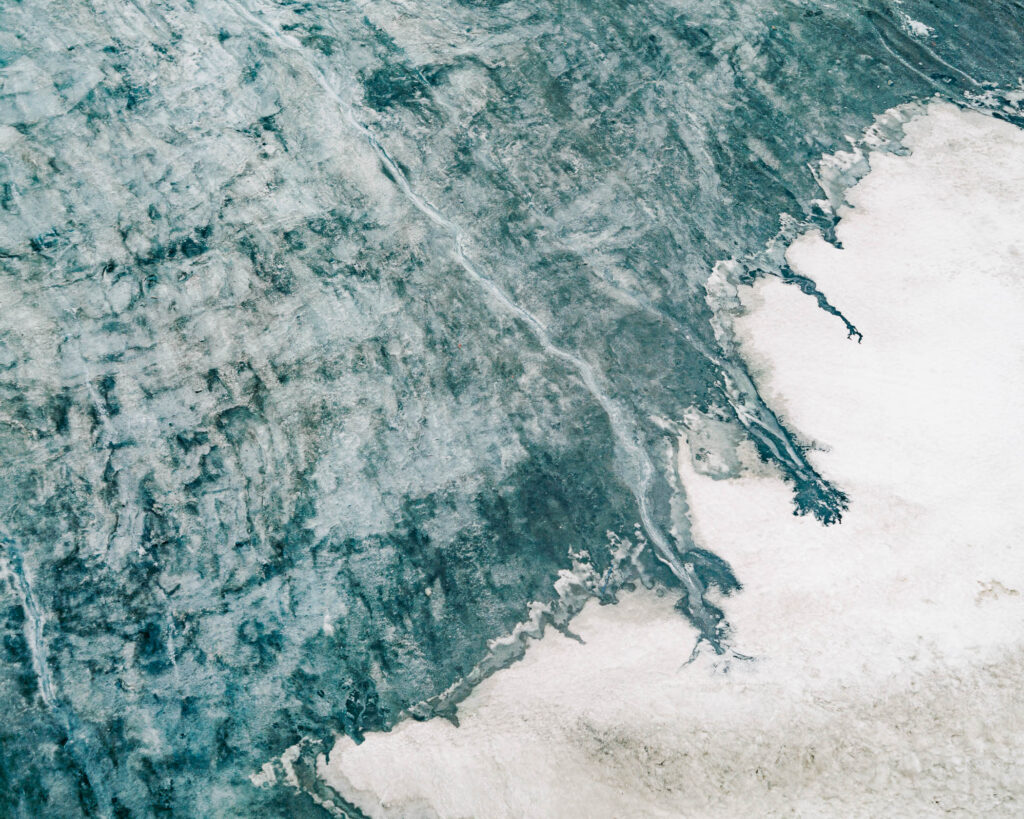
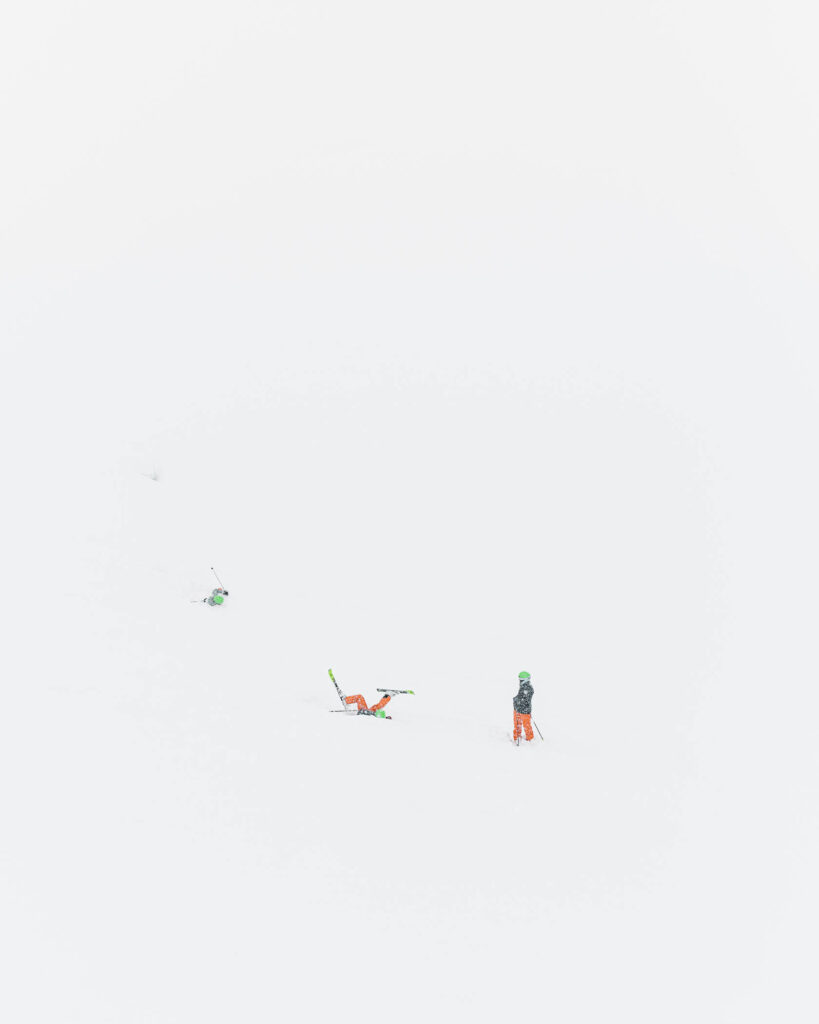
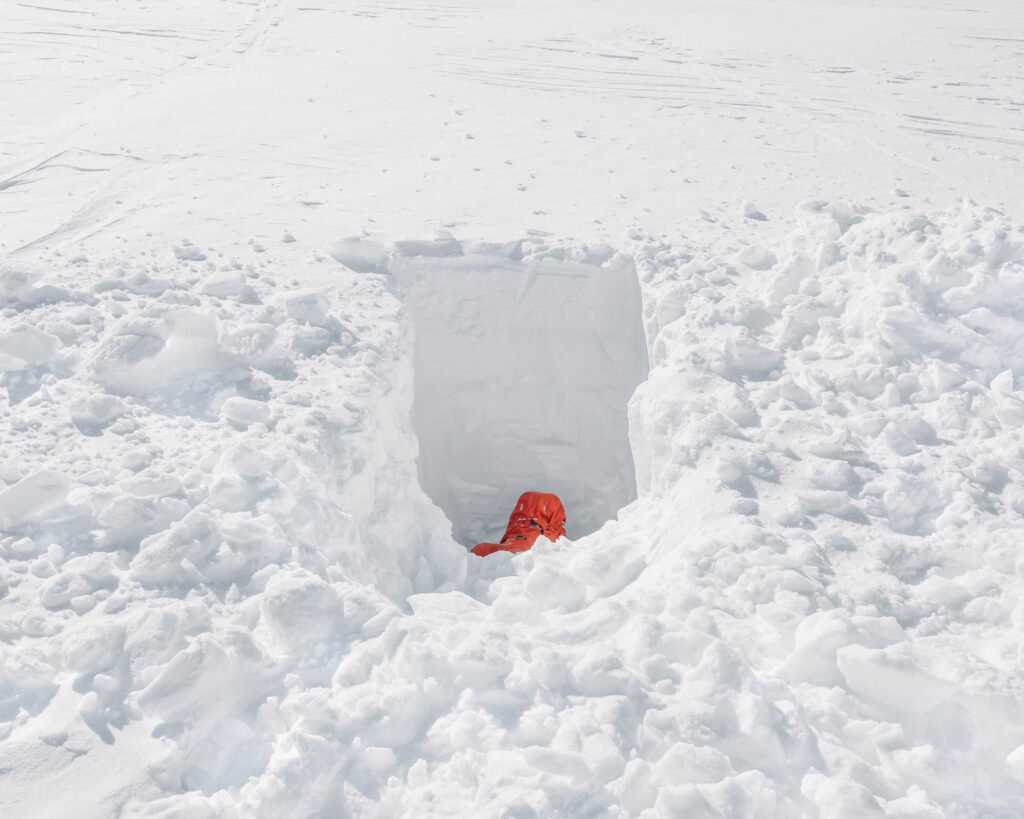
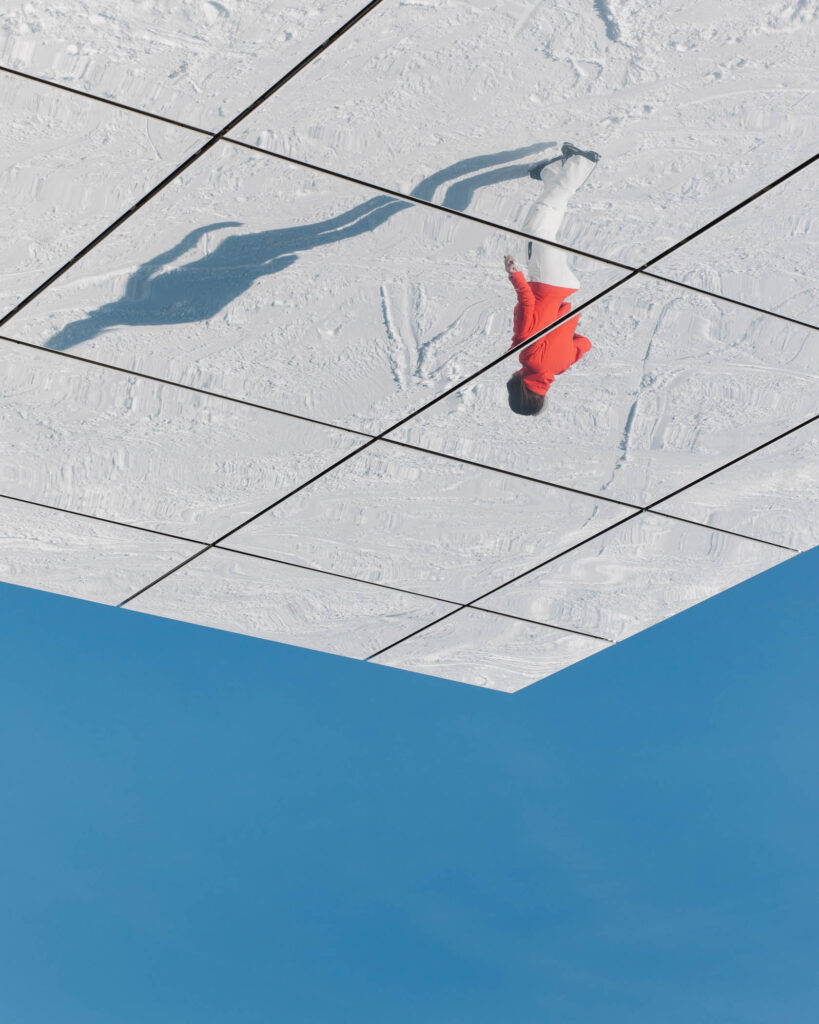
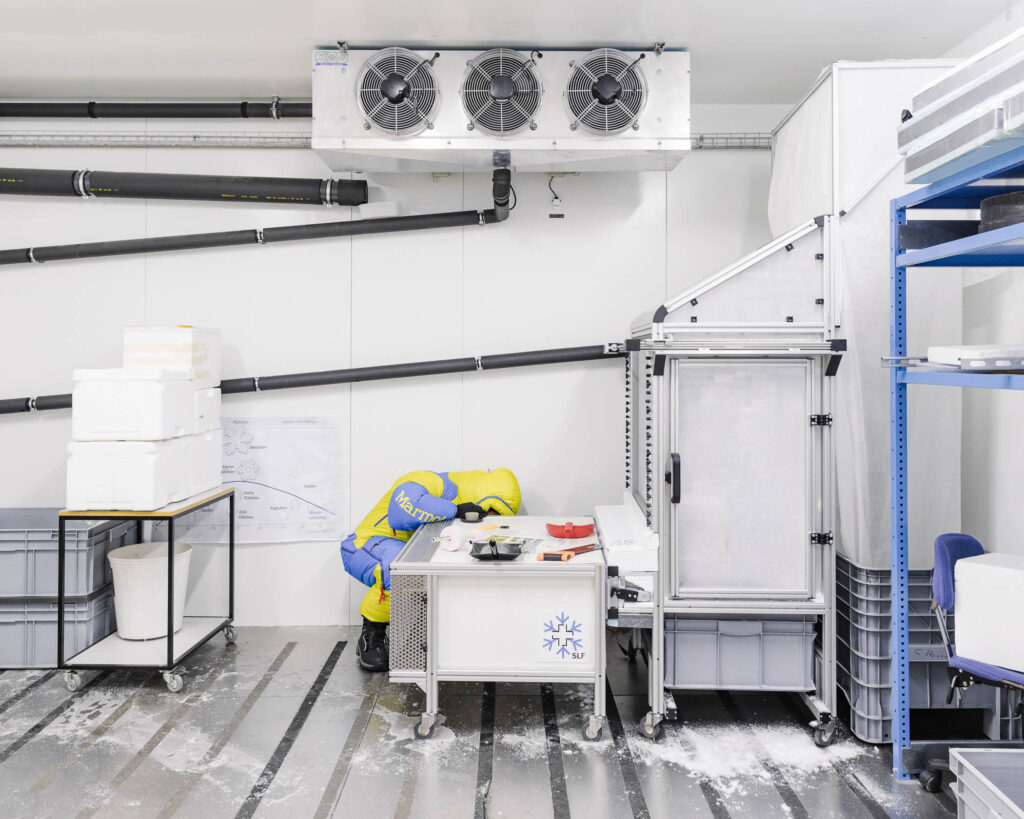
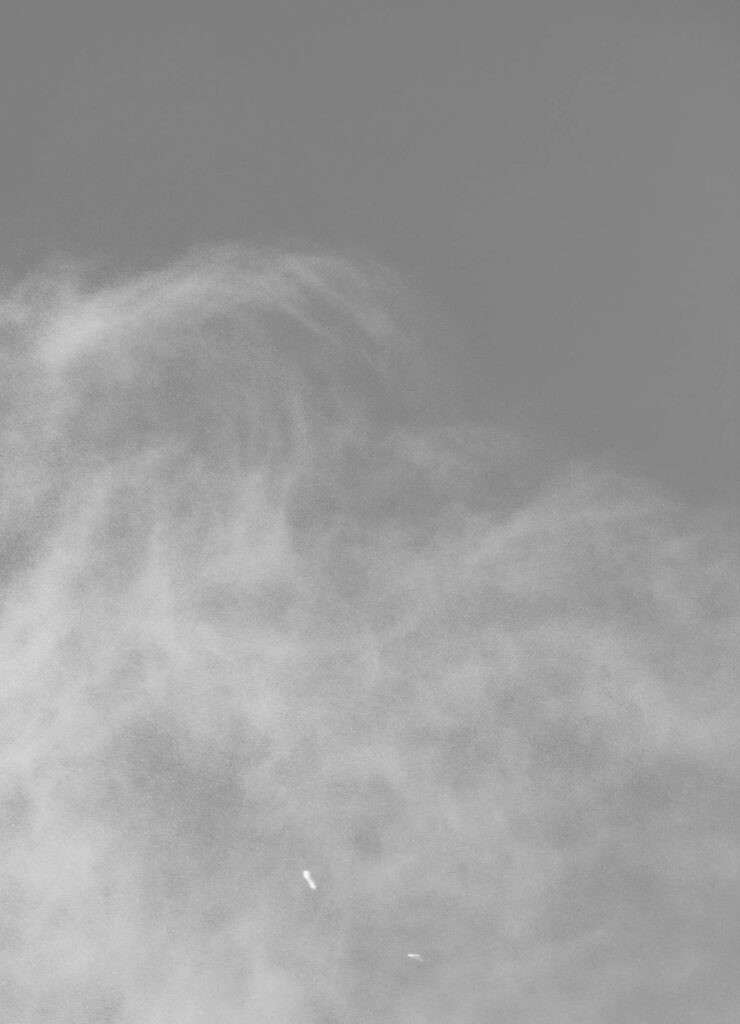
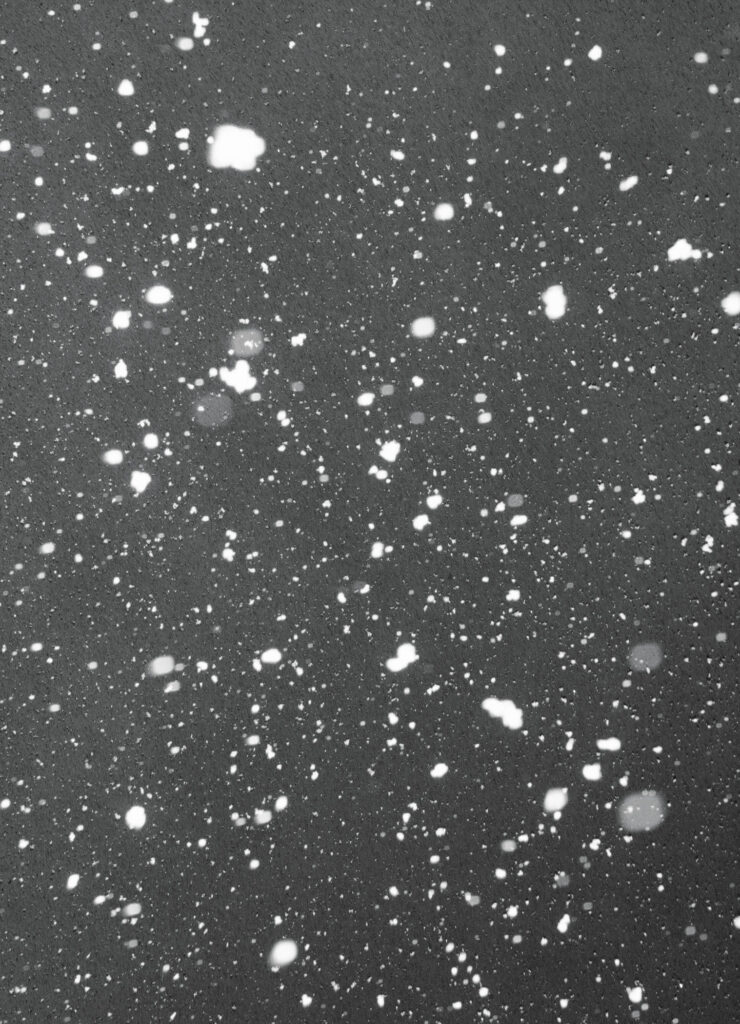
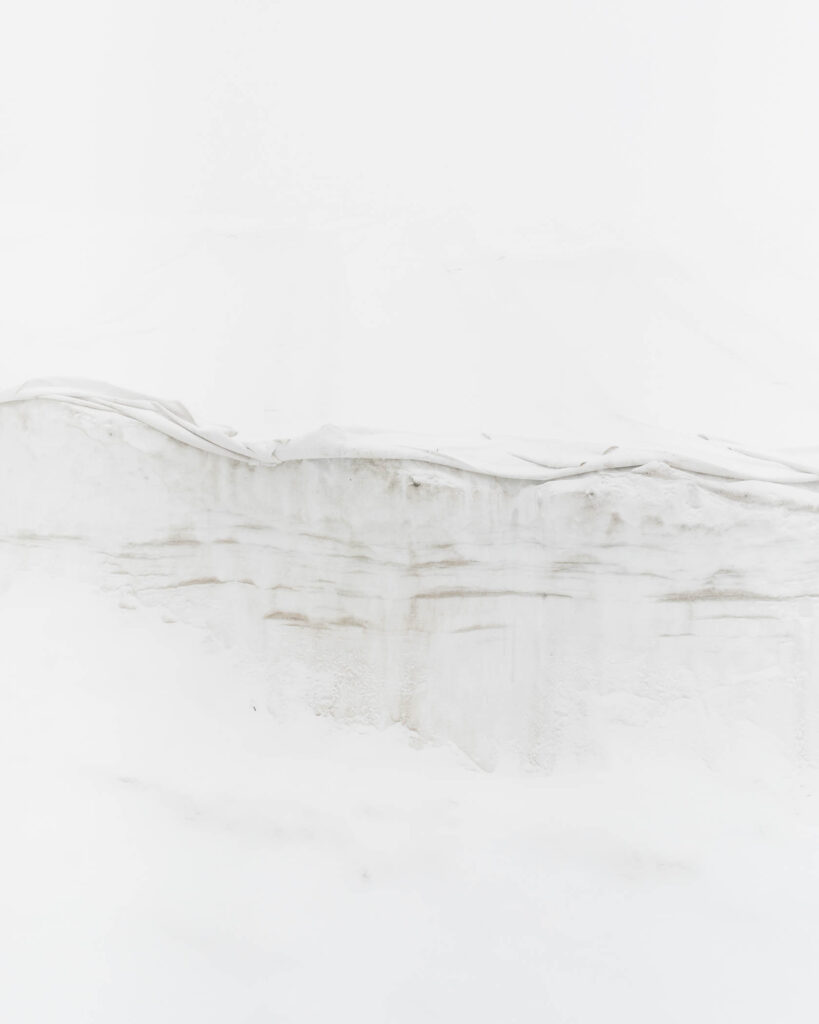
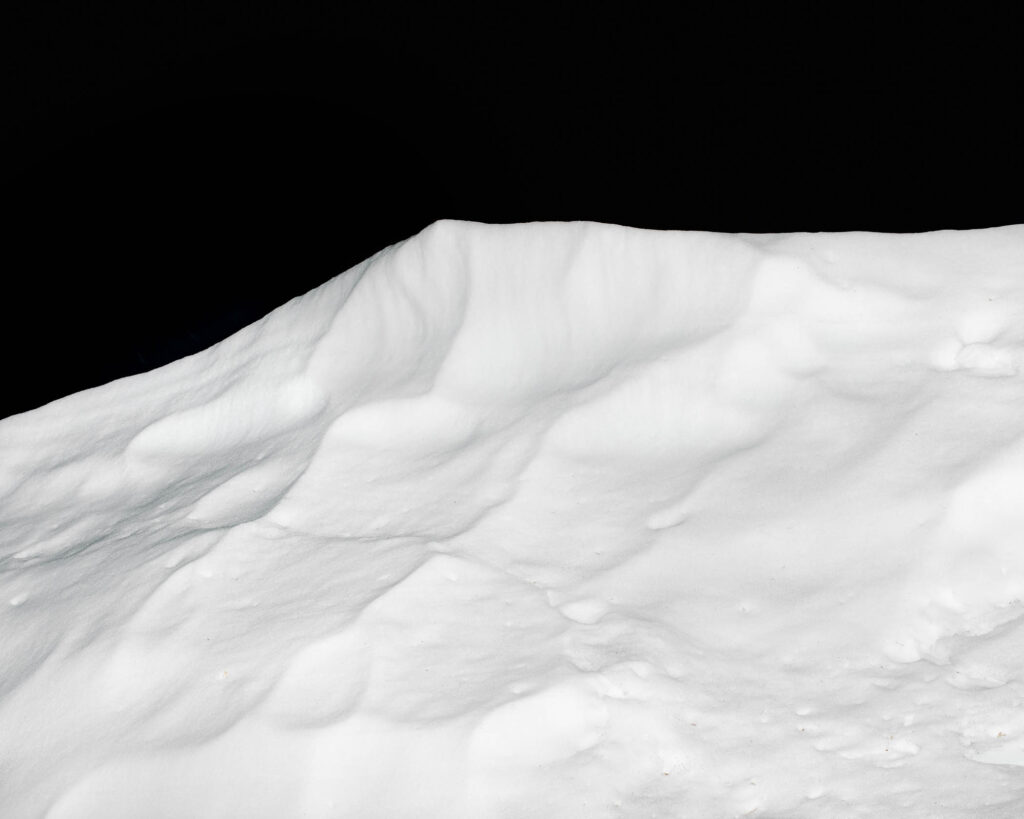
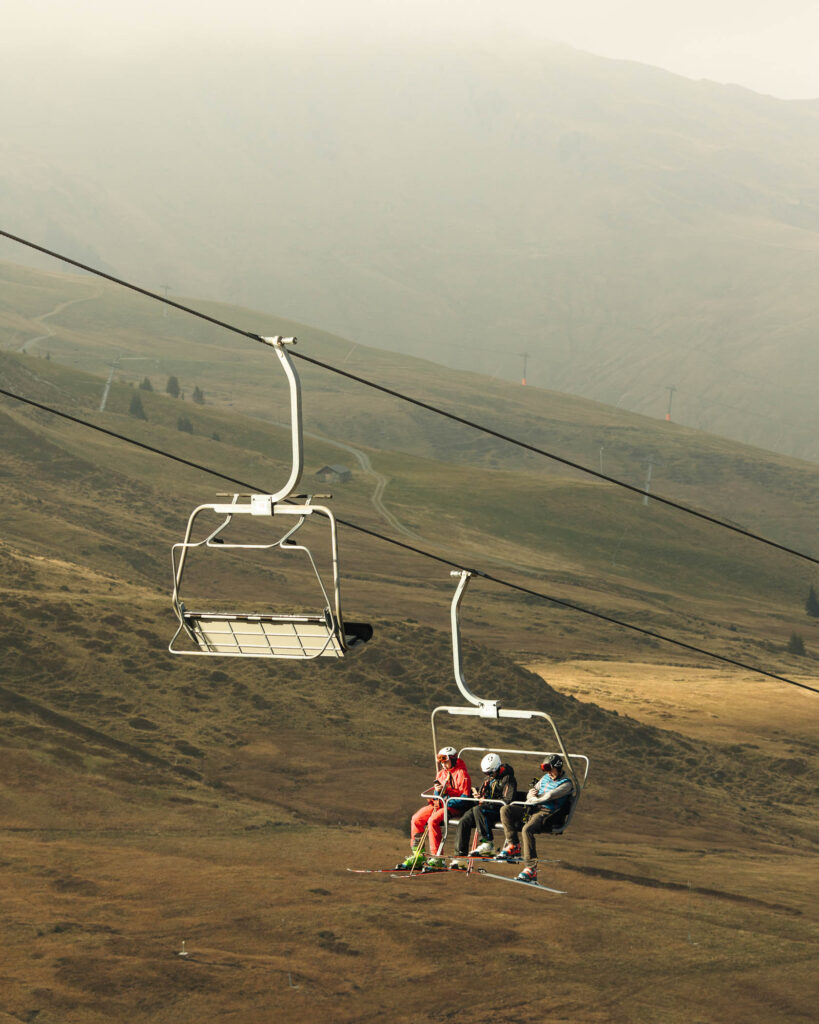
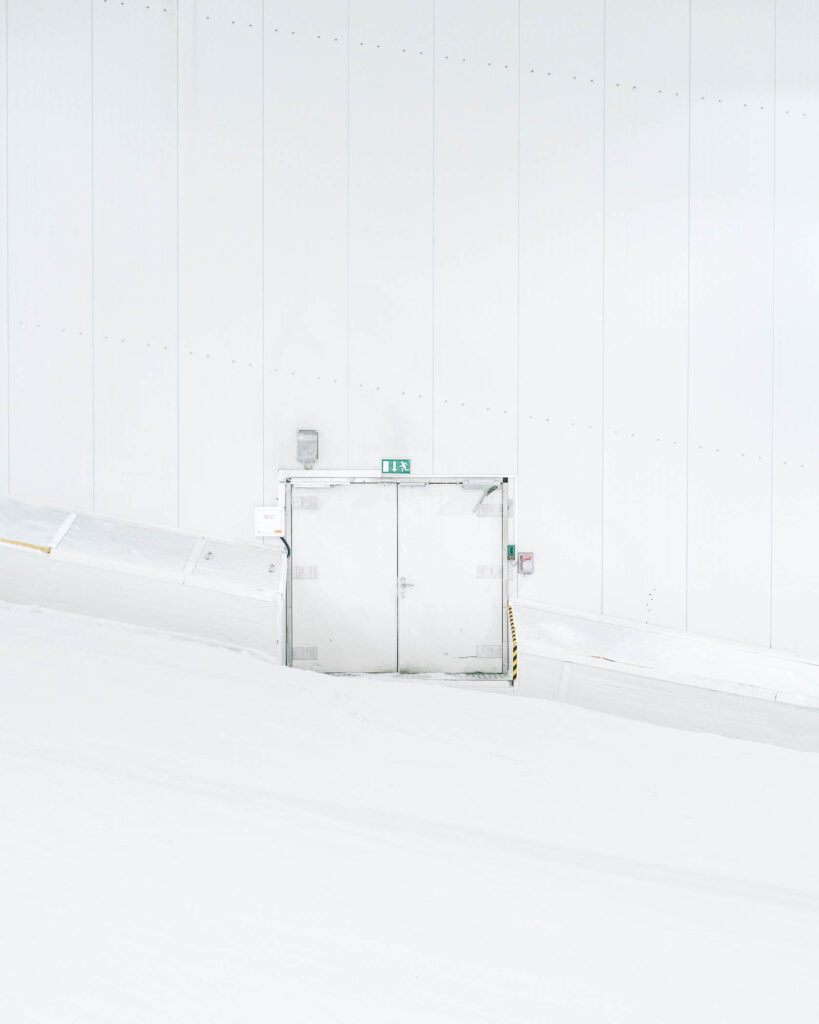
Es werde Schnee examines the transformation of Alpine regions under the increasing pressure of winter tourism and artificial snow production. Despite rising temperatures and declining precipitation in winter, the commercialization of Alpine valleys as ski destinations continues to expand. Artificial snow has become a key technology in this development, and it is anticipated that in the future ski slopes will be prepared almost exclusively with machine-made snow. The infrastructures required for this—snow cannons, reservoirs, pipelines, energy-intensive pumping systems—exert a massive impact on local ecosystems.
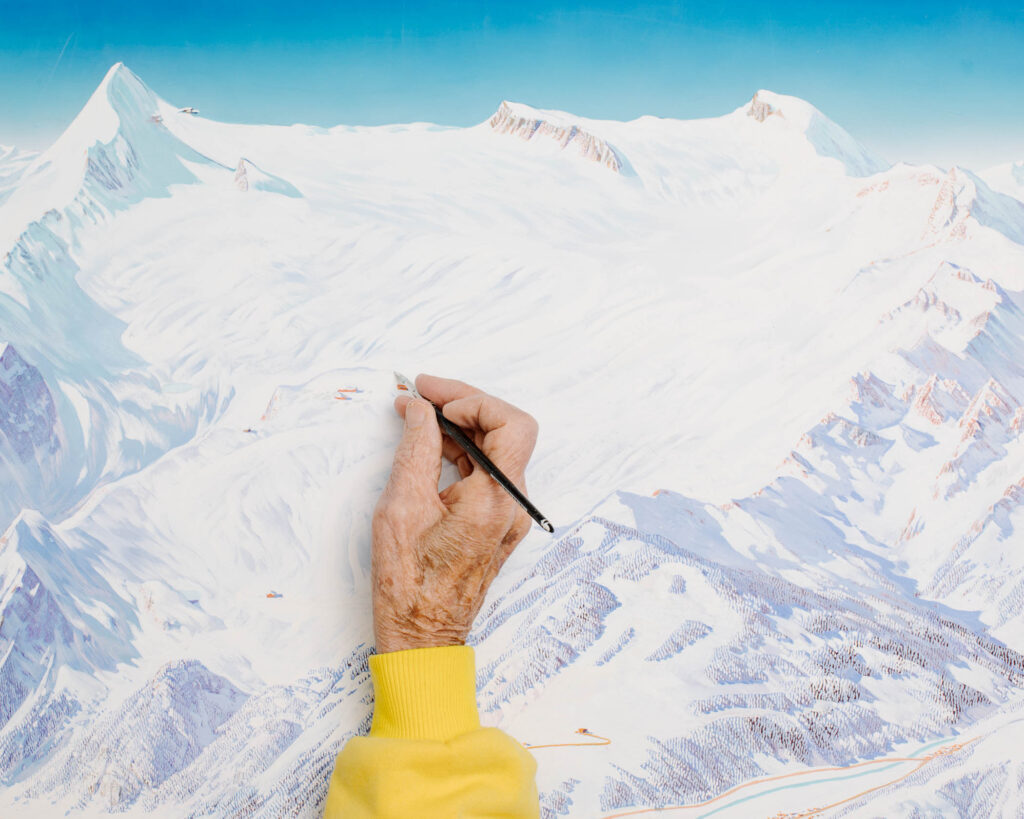
Artificial snow blurs the boundary between the natural and the constructed. Visually almost indistinguishable from natural snowfall, it generates experiences that would no longer occur under prevailing climatic conditions. The limits of what is possible are extended: Alpine landscapes are irreversibly reshaped, and artificial snow worlds emerge. The significance of this process extends far beyond its economic dimension; it touches on our cultural imaginaries of winter, leisure, and nature itself.
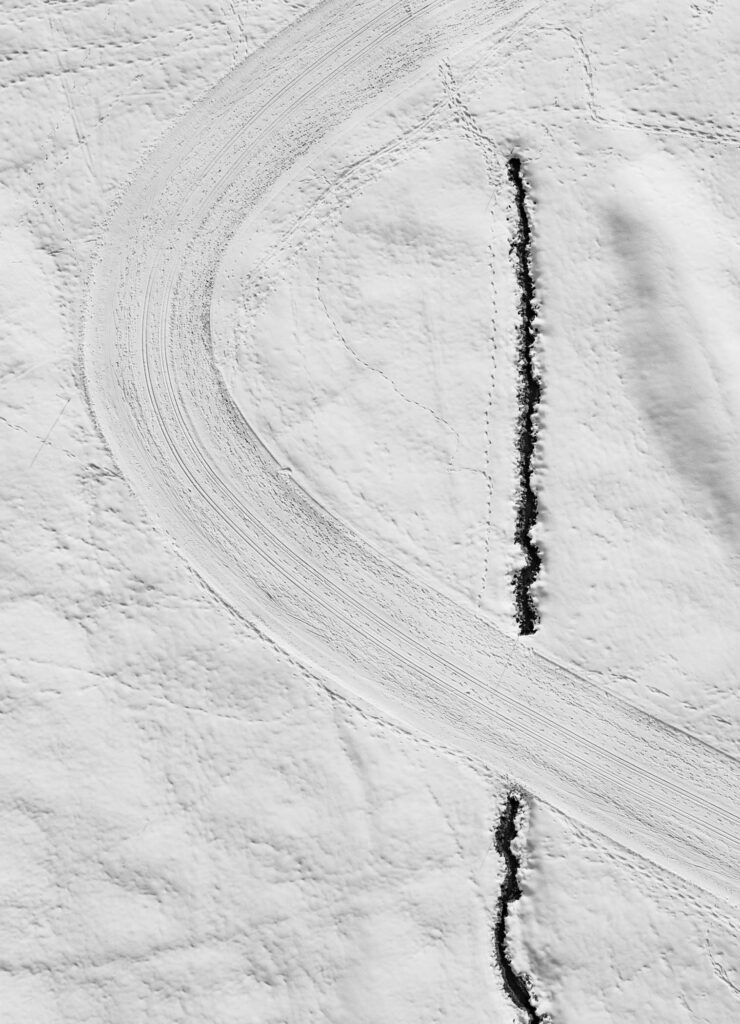
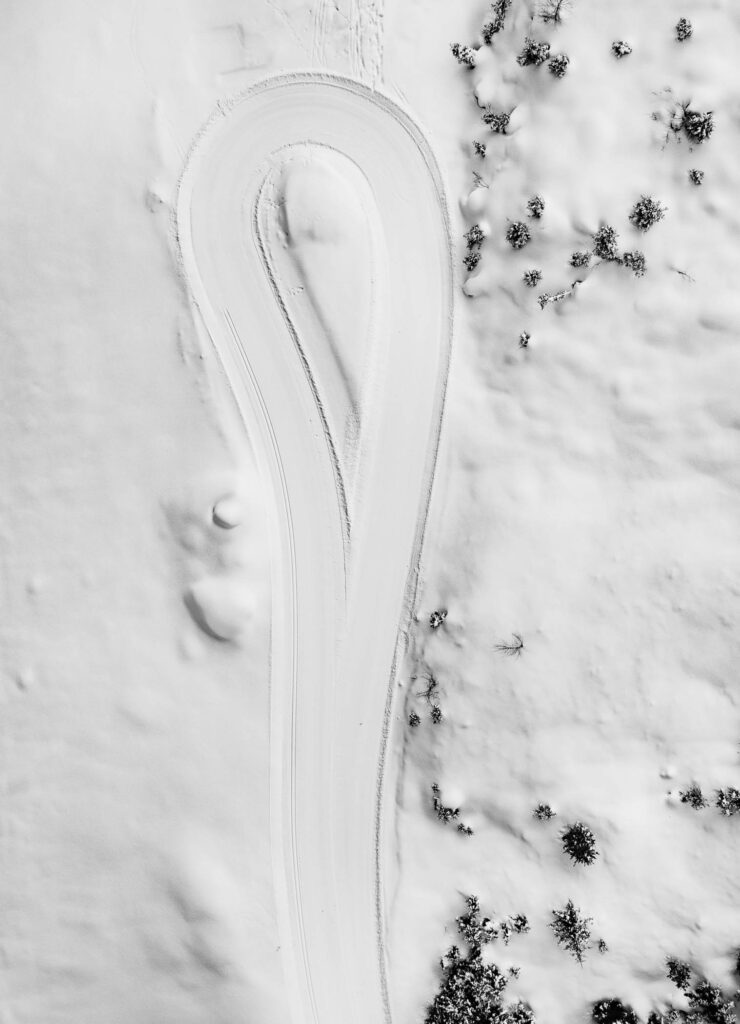
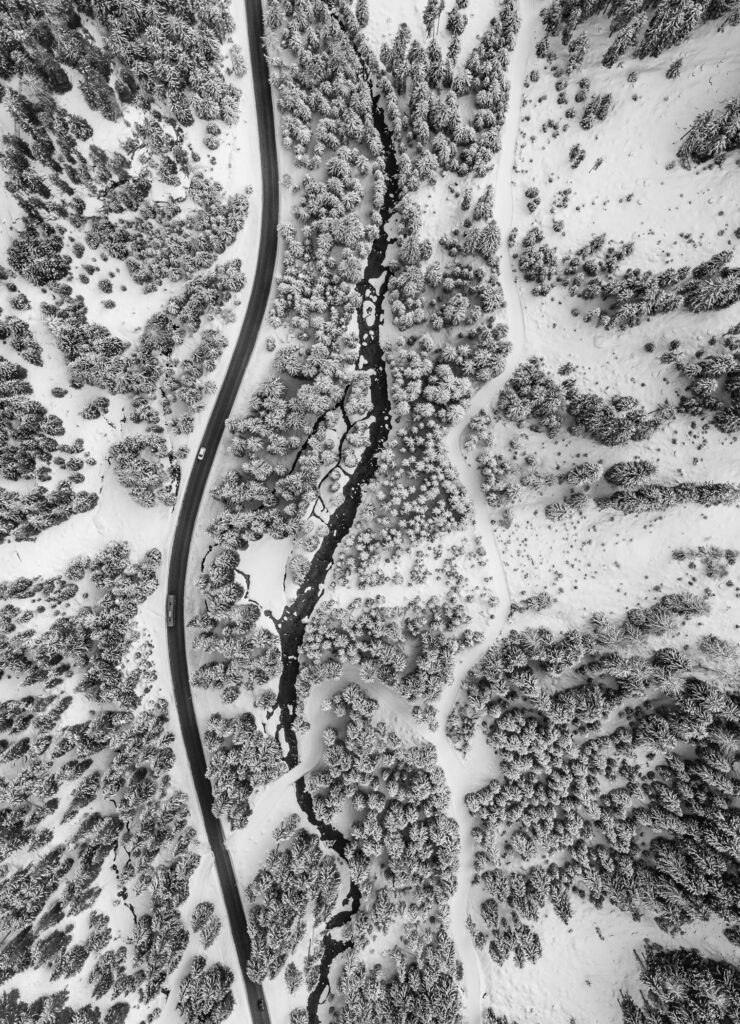
Combining photographs by Elias Holzknecht with texts by Ursula Scheiber, Es werde Schnee encourages viewers to reflect on entrenched stereotypes, collective images, and our understanding of “nature” in the Anthropocene. The work unfolds as a contentious search for traces across Alpine regions in Austria, Italy, and Switzerland, as well as in Germany—following snow, its disappearance, and its artificially prolonged presence in the present and possible futures.
The current iteration of the project comprises 27 color photographs, three black-and-white series, and four white text panels.
EXHIBITIONS
2019 – Chobi Mela Festival, screening, Dhaka, BD
2021 – Galerie für Fotografie, group show, Hannover, DE
2021 – Sparkassenstiftung Lüneburg, solo show, Lüneburg, DE
2022 – 12. Wiesbadener Fototage, group show, Wiesbaden, DE
AWARDS
2020 – VGH Fotopreis, winner
2021 – PUNKT Journalist Award, German Academy of Science and Engineering
2022 – True Picture Award, nomination
Images from the project have been published in Die Zeit, Zeit Campus, Falter, Datum, and Frankfurter Allgemeine Zeitung (FAZ).